





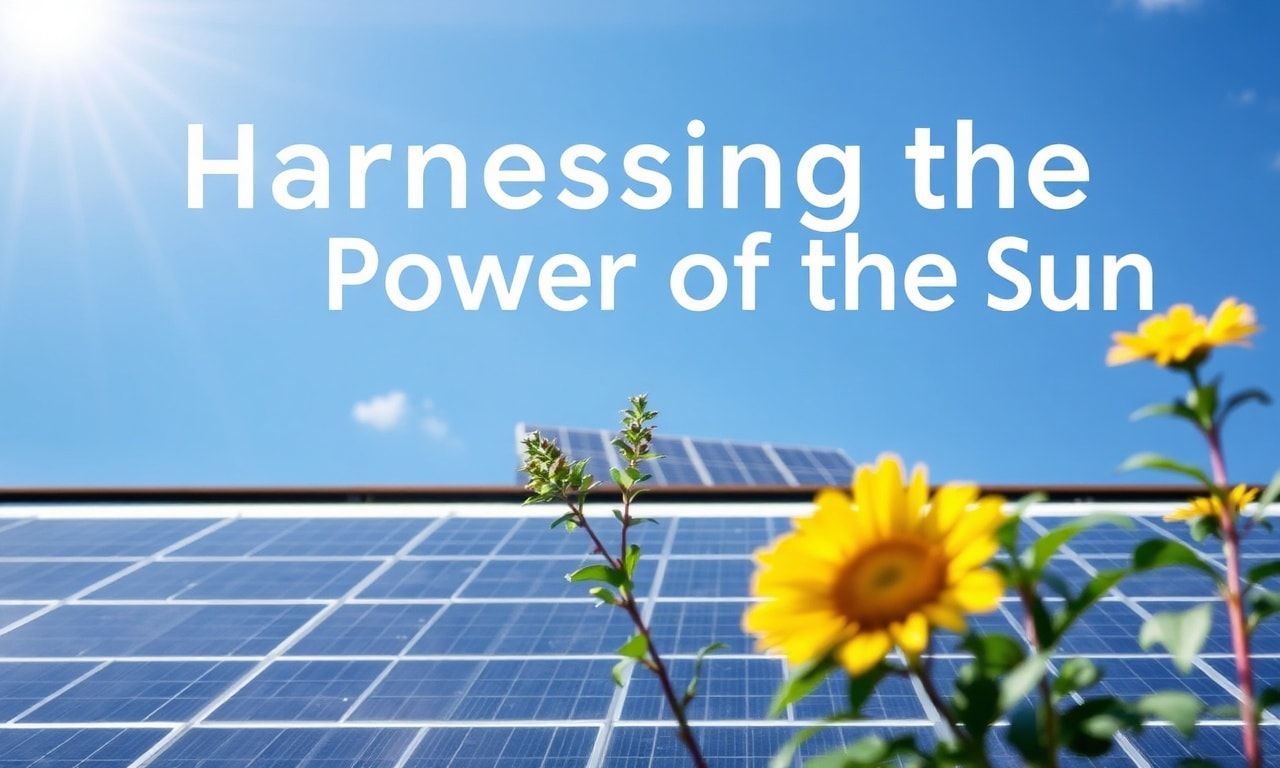
Understanding Solar Energy
Solar energy, the radiant light and heat from the Sun, has been harnessed by humans for thousands of years. Today, it is a rapidly growing source of renewable energy, offering a sustainable alternative to traditional fossil fuels. Solar energy is captured using photovoltaic (PV) cells, which convert sunlight into electricity. This process is not only eco-friendly but also cost-effective in the long run, making it an attractive option for homeowners looking to reduce their carbon footprint and energy bills.
The Benefits of Solar Energy for Homes
There are numerous advantages to installing solar panels in your home. Firstly, solar energy is a clean and renewable resource, which means it produces no greenhouse gases or pollutants. This makes it an environmentally friendly choice. Additionally, solar panels can significantly reduce your electricity bills, as you will be generating your own power. In some cases, excess energy can even be sold back to the grid, providing an additional source of income. Furthermore, solar panels require minimal maintenance and have a long lifespan, making them a sound investment for any homeowner.
Financial Incentives
Many governments offer financial incentives for homeowners who install solar panels. These can include tax credits, rebates, and grants. For example, in the United States, the federal solar tax credit allows homeowners to deduct 26% of the cost of installing a solar energy system from their federal taxes. Additionally, some states and local governments offer their own incentives, which can further reduce the cost of solar panel installation. It’s worth researching the available incentives in your area to maximize your savings.
How Solar Panels Work
Solar panels are made up of PV cells, which are typically made from silicon. When sunlight hits these cells, it causes a flow of electricity. This electricity is then converted from direct current (DC) to alternating current (AC) using an inverter, making it usable for your home. The electricity is distributed throughout your home, powering your appliances and lighting. Any excess energy can be stored in batteries or fed back into the grid. Understanding how solar panels work can help you make informed decisions about the type and size of system that best suits your needs.
Components of a Solar Energy System
A typical solar energy system consists of several key components. These include:
- Solar Panels: These are the main components that capture sunlight and convert it into electricity.
- Inverter: This device converts the DC electricity produced by the solar panels into AC electricity, which is used by most homes.
- Mounting System: This is used to secure the solar panels to your roof or the ground.
- Battery Storage: Optional but increasingly popular, batteries store excess energy produced during the day for use at night or during power outages.
- Meter: This measures the amount of electricity produced by your solar panels and the amount of electricity consumed by your home.
Choosing the Right Solar Panels for Your Home
When selecting solar panels for your home, there are several factors to consider. These include the type of solar panels, their efficiency, durability, and cost. There are three main types of solar panels: monocrystalline, polycrystalline, and thin-film. Monocrystalline panels are the most efficient and durable but also the most expensive. Polycrystalline panels are less efficient but more affordable. Thin-film panels are flexible and lightweight but have the lowest efficiency. It’s important to weigh these factors and choose the panels that best meet your needs and budget.
For more detailed information on choosing the right solar panels and understanding the different types available, you can refer to the helpful resources online guide. This guide provides comprehensive insights into the various aspects of solar energy, helping you make an informed decision.
Installing Solar Panels: A Step-by-Step Guide
Installing solar panels involves several steps, from site assessment to final inspection. Here’s a brief overview of the process:
- Site Assessment: A professional will assess your home’s suitability for solar panels, considering factors like roof orientation, shading, and structural integrity.
- Design and Permitting: A custom solar system design is created based on your energy needs and site assessment. Permits are then obtained from local authorities.
- Installation: The solar panels and other components are installed on your roof or the ground.
- Inspection and Approval: A local inspector ensures the system meets safety and building code requirements.
- Interconnection: Your solar system is connected to the grid, allowing you to feed excess energy back into the system.
- Monitoring and Maintenance: Regular monitoring and maintenance ensure your system operates efficiently.
Maintaining Your Solar Energy System
Solar panels require minimal maintenance, but regular checks can ensure they operate at peak efficiency. Cleaning the panels periodically to remove dust, dirt, and debris is essential, as these can reduce their efficiency. Additionally, inspecting the panels for any signs of damage, such as cracks or loose connections, can prevent more significant issues down the line. It’s also a good idea to monitor your system’s performance using the monitoring tools provided by your solar installer. If you notice any significant drops in performance, it may be time to call a professional for a thorough inspection.
In conclusion, solar energy offers a sustainable and cost-effective solution for powering your home. By understanding the benefits, components, and installation process, you can make an informed decision about whether solar energy is right for you. With the right information and resources, such as the helpful resources online guide, you can harness the power of the Sun to create a more sustainable future for your home and the planet.