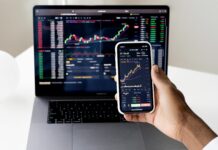



In the fast-paced world of stock markets, impulsive trading mistakes can cost investors big time. Have you ever wonder how some traders manage to stay calm and make smarter investment decisions while others struggle with emotional ups and downs? The secret lies in a simple yet powerful habit: journaling for traders. This article dives deep into how journaling reduces impulsive trading, unlocking the pathway to smarter investments and long-term financial success. If you’re tired of making rash decisions that hurt your portfolio, keep reading to discover the game-changing benefits of this underrated strategy.
Why does journaling have such a profound impact on trading behavior? When emotions run high, traders often act without thinking, leading to costly errors. But by consistently recording your thoughts, feelings, and decisions in a trading journal, you create a clear roadmap of your investment journey. This practice encourages self-reflection, helping you identify patterns of impulsive behavior before they derail your success. Imagine catching those sneaky emotional triggers early—wouldn’t that be a total game changer? In fact, investment journaling techniques are becoming a trending topic among savvy investors who want to sharpen their decision-making skills and build a bulletproof trading strategy.
Moreover, journaling serves as a powerful accountability tool, transforming chaotic trading impulses into disciplined and calculated moves. By reviewing past trades documented in your journal, you gain valuable insights into what works and what doesn’t, allowing you to refine your approach continuously. If you’re ready to break free from the cycle of impulsive trades and unlock the secrets to consistent, smarter investing, journaling might just be the missing piece in your trading toolkit. Stay tuned as we explore practical tips and proven methods to harness the full power of journaling for successful investing.
How Daily Journaling Can Dramatically Curb Impulsive Trading Habits for Smarter Investments
In the fast-paced world of forex trading, impulsive decisions can lead to significant losses and missed opportunities. Many traders find themselves caught in the cycle of emotional reactions, making trades on gut feelings rather than solid analysis. But what if a simple daily habit could help curb those impulsive trading behaviors and guide investors towards smarter, more deliberate decisions? Daily journaling, a practice often overlooked by new and even experienced traders, has shown to be a game changer. It not only brings clarity but also discipline to trading routines, ultimately improving investment outcomes.
Why Impulsive Trading Happens and Its Risks
Impulsive trading is a common pitfall, especially in volatile markets like forex. Traders sometimes react too quickly to market news, sudden price changes, or rumors without sufficient analysis. This behavior is driven by emotions such as fear and greed, which cloud judgment and lead to rash decisions. The risks are high: impulsive trades can wipe out profits, increase transaction costs, and damage a trader’s confidence.
Historically, even the most successful forex traders admit to struggles with impulse control. For example, legends like Paul Tudor Jones have emphasized the importance of psychological discipline. However, many traders fail to develop tools that help manage their emotional responses consistently.
How Journaling Reduces Impulsive Trading: Unlock Smarter Investments
Keeping a daily journal helps traders by making their thoughts and motivations more visible. When you write down your reasons for entering or exiting a trade, you force yourself to slow down, examine the rationale, and evaluate if the decision is based on solid evidence or just a knee-jerk reaction. This simple act can dramatically reduce impulsive trades.
Some important ways journaling assists traders:
- Increases self-awareness: By recording your emotions and triggers, you start to recognize patterns that lead to impulse trades.
- Supports accountability: A written record holds you responsible for your decisions, so you think twice before acting rashly.
- Enhances learning: Reviewing past trades and outcomes allows traders to identify mistakes and successes for future improvement.
- Builds discipline: The routine of journaling fosters a structured approach to trading rather than erratic behavior.
Practical Examples of Journaling Impact in Forex Trading
Imagine a trader who has been facing losses due to quick reaction trades after unexpected news events. By starting a daily journal, this trader notes not only the trade details but also the emotional state at the time—like anxiety or excitement. Over weeks, the trader discovers a correlation between stress and poor decision-making. With this insight, the trader implements strategies such as taking a moment to breathe or stepping away from the screen before placing a trade. The results? Fewer impulsive trades and a steady improvement in portfolio performance.
Another example comes from a New York-based forex trader who uses journaling to document market conditions, entry and exit points, and personal reflections on the trade. This practice helped the trader identify overtrading tendencies on high-volatility days. Armed with this knowledge, the trader adjusted the strategy to trade only during certain hours and with more stringent criteria, reducing losses and increasing profits.
What Should a Forex Trading Journal Include?
To get the most benefit, a trading journal should be thorough yet simple enough to maintain daily. Here’s a suggested outline:
- Date and time of trade
- Currency pair involved
- Entry price and exit price
- Trade size and position type (long/short)
- Reason for entering the trade (technical analysis, news, intuition)
- Emotional state before and during the trade
- Outcome of the trade (profit/loss)
- Lessons learned or things to improve
Comparing Traders Who Journal vs Those Who Don’t
Traders who engage in journaling tend to outperform those who don’t, in terms of both consistency and profitability. Research shows that journaling traders develop better risk management skills and avoid emotional pitfalls more effectively. Non-journaling traders often repeat the same mistakes, unaware of their behavioral patterns.
Here’s a simple comparison table:
| Aspect | Journaling Traders | Non-Journaling Traders |
|---|---|---|
| Emotional awareness | High, through regular reflection | Low, unaware of emotional triggers |
| Decision-making | Deliberate and informed | Often impulsive and reactive |
| Learning from mistakes | Systematic review and adjustment | Repetition of errors |
| Risk management | Improved due to documented analysis | Poor, driven by emotions |
| Consistency | More consistent performance | Variable and unpredictable |
Historical Context of Journaling in Trading
Journaling is not a new concept. Traders and investors have used logs and diaries for centuries to record market observations. Benjamin Graham, the father of value investing, recommended keeping detailed records of investment decisions. Modern psychological studies also support journaling as a tool for cognitive-behavioral improvement, which directly applies to trading.
In the digital age, journaling
7 Proven Ways Journaling Helps Investors Overcome Emotional Trading Decisions
In the fast-paced world of forex trading, especially in a city like New York where markets never sleep, investors often find themselves caught in emotional whirlpools. Fear, greed, frustration—these feelings can easily cloud judgment and push traders into impulsive decisions that hurt more than help. One surprisingly simple yet powerful tool that many successful investors swear by is journaling. Writing down thoughts, decisions, and feelings about trades might seem old-fashioned, but it has proven benefits that makes it easier to overcome emotional trading pitfalls.
7 Proven Ways Journaling Helps Investors Overcome Emotional Trading Decisions
Journaling is more than just keeping a diary. It’s a strategic habit that helps traders become more self-aware and disciplined. Here are seven ways it helps:
Tracks Emotional Patterns Over Time
By writing daily or weekly, investors can identify recurring emotional triggers. For example, do they tend to panic sell after a small loss? Noticing these patterns make it possible to prepare mentally for similar situations in the future.Improves Accountability
When you record every trade with reasons behind it, you can’t easily excuse impulsive moves. This accountability encourages sticking to a trading plan.Clarifies Thought Process
Journaling forces traders to slow down and reflect on why they make each decision. It helps separates facts from emotions, leading to more rational choices.Reduces Stress and Anxiety
Expressing frustrations or fears on paper reduces their intensity. This emotional release can prevent stress-driven trades.Enhances Learning from Mistakes
Mistakes become clearer when reviewed later, especially if the journal includes what went wrong emotionally and technically.Strengthens Discipline
Regular journaling builds a routine that anchors investors in disciplined trading rather than reactive behavior.Facilitates Strategy Refinement
By seeing what works and what doesn’t, traders can tweak their strategies based on real data and emotional feedback.
How Journaling Reduces Impulsive Trading: Unlock Smarter Investments
Impulsive trading often comes from acting on sudden feelings without thinking through consequences. Journaling acts like a brake on these emotional impulses. Here’s how:
Pause and Reflect Before Acting
When traders commit to writing down their thoughts before executing trades, it forces a pause. This moment for reflection reduces knee-jerk reactions.Creates Emotional Distance
Seeing emotions on paper makes them less overwhelming. It’s easier to manage feelings like fear or excitement when they are externalized rather than bottled up inside.Tracks Successes and Failures Objectively
By keeping a factual record, traders avoid rewriting history in their minds. They can spot when impulsive trades worked or failed, which encourages smarter choices next time.Encourages Planning
Journals often include goals and rules. This planning helps prevent spontaneous trades that violate one’s own guidelines.
Practical Examples of Journaling Impact on Forex Trading
Consider Sarah, a forex trader from Manhattan, who used to lose money because she sold her positions after a small dip, out of fear. After she started journaling, she noticed a pattern: fear spikes happened after she read negative news headlines. Writing this down helped her develop a rule to wait for 24 hours before making any trade decisions after bad news. This simple change reduced her losses significantly.
Or take John, a New York-based day trader who often bought currency pairs impulsively when he felt ‘excited’ about market movements. His journal entries revealed that these trades rarely turned profitable. Realizing this, he started using his journal to assess market signals more objectively, which improved his overall returns.
Journaling vs. Other Emotional Control Techniques
| Technique | Pros | Cons | Comparison to Journaling |
|---|---|---|---|
| Meditation | Helps calm mind, reduces stress | Requires practice, not directly linked to trades | Journaling is more trade-specific |
| Automated Trading Systems | Removes emotions from execution | Can malfunction, lacks flexibility | Journaling improves human decision-making |
| Talking to Mentors | Provides external feedback | May not always be available or unbiased | Journaling is self-reliant and immediate |
| Journaling | Tracks emotions, decisions, and outcomes | Requires discipline and time commitment | Combines self-awareness with data review |
What to Include in a Forex Trading Journal?
A journal works best when it covers both the technical and emotional aspects of trading. Here’s a simple outline investors can follow:
- Date and time of trade
- Currency pair and position (buy/sell)
- Entry and exit prices
- Reason for entering the trade (technical signal, news, gut feeling)
- Emotional state before and during the trade (anxious, confident, fearful)
- Outcome of the trade (profit/loss)
Unlocking Smarter Investments: The Science Behind Journaling to Reduce Impulsive Trades
Unlocking Smarter Investments: The Science Behind Journaling to Reduce Impulsive Trades
In the fast-paced world of forex trading, impulsive decisions can cost traders huge amounts of money, especially when emotions take over logic. Many traders seek ways to curb this behavior, and one surprisingly powerful tool is journaling. Yes, keeping a detailed record of your trades and thoughts might sound old-fashioned or even unnecessary, but science and experience show it could unlock smarter investments. How journaling reduces impulsive trading is not just a psychological theory but backed by behavioral economics and cognitive science.
Why Do Traders Make Impulsive Trades?
Impulsive trading happens when decisions are made quickly without proper analysis or planning. This is often driven by emotions like fear, greed, or excitement. Forex markets move fast, and the temptation to jump in or out based on a sudden price movement can be strong. Historically, impulsive trading has been linked with poor performance and increased risk. Research shows that traders who lack discipline or self-awareness tend to suffer more losses, sometimes wiping out gains they worked hard for.
The Science Behind Journaling in Trading
Journaling is the act of writing down your trades, the reasoning behind them, emotions felt, and outcomes observed. This practice taps into several psychological mechanisms:
- Self-awareness: Writing helps traders become aware of their emotional states and thought patterns. This awareness is the first step to controlling impulses.
- Cognitive restructuring: Documenting mistakes and successes allows traders to reflect and adjust strategies logically.
- Accountability: Having a record creates a sense of responsibility and discourages reckless decisions.
- Memory enhancement: Journaling improves recall of what worked and what didn’t, helping to reinforce good habits.
Behavioral economists argue that keeping a trading journal serves as a commitment device, forcing traders to slow down and think critically before executing a trade, which reduces impulsive behavior.
Practical Benefits of Journaling for Forex Traders
Many forex traders who journal report improvements not only in discipline but also in profitability. Some key benefits include:
- Tracking patterns: Identifying recurring mistakes or successful tactics becomes easier.
- Emotional control: Recognizing emotional triggers helps in managing stress and avoiding rash decisions.
- Strategy refinement: Journals provide data to tweak trading plans based on real-world performance.
- Building confidence: Seeing progress over time boosts morale and reduces anxiety.
- Risk management: Documenting risk levels taken per trade encourages better position sizing.
How To Start Journaling Effectively?
Starting a journal might seem simple but doing it in a way that truly reduces impulsive trades needs structure. Here’s a basic outline to follow:
- Date and Time: When was the trade executed?
- Currency Pair: What instruments were traded?
- Entry and Exit Points: Document prices and times.
- Trade Size and Risk: How much capital was risked?
- Reasoning: Why did you enter this trade? Was it based on technical analysis, news, or hunch?
- Emotions: What feelings did you experience before, during, and after the trade?
- Outcome: Profit or loss, and by how much.
- Reflection: What worked? What didn’t? What will you do differently next time?
Consistency is key. Even on losing days, writing down what happen is crucial for learning.
Comparison: Traders Who Journal vs Traders Who Don’t
| Aspect | Traders Who Journal | Traders Who Don’t Journal |
|---|---|---|
| Self-awareness | High, due to regular reflection | Low, often unaware of emotional biases |
| Emotional control | Better control, less rash decisions | Prone to impulsive, emotional trades |
| Strategy Improvement | Ongoing refinement through feedback | Stagnant or inconsistent approaches |
| Profitability | Tend to improve over time | Often inconsistent or deteriorate |
| Accountability | Increased, fosters discipline | Lack of accountability, more mistakes |
Examples From The Trading Floor
Take John, a New York-based forex trader who struggled with impulsive trades during volatile sessions. After he started journaling every trade, he noticed a pattern: most of his losses came after feeling anxious about missing out on quick gains. By acknowledging this in his journal, he developed a checklist to follow before every trade. This checklist forced him to pause and rethink, reducing impulsive entries by 60%.
Similarly, Maria, another trader, used journaling to track how news events impacted her emotions. She realized that after major announcements, her risk-taking increased irrationally. Being aware of this pattern helped her to either avoid trading during these times or to adjust her position sizes accordingly.
Historical Context of Journaling in Trading
The practice of journaling is not new. Legendary investors like Jesse Livermore kept meticulous records of their trades and emotions. His diaries helped him
Why Successful Traders Swear by Journaling to Control Impulsive Market Moves
In the fast-paced world of forex trading, where every second counts and market moves can be unpredictable, many successful traders have found a surprisingly simple yet powerful tool to keep their emotions in check: journaling. You might wonder why anyone would take the time to write down their trades, thoughts, and feelings when the markets never wait. But the truth is, journaling helps traders control impulsive market moves and unlock smarter investments by providing a clear, reflective space to analyze actions and decisions, something that often gets lost in the heat of trading.
Why Successful Traders Swear by Journaling
The idea of keeping a trading journal is not new, but it’s often underestimated. Some of the greatest traders like Paul Tudor Jones and Linda Raschke have openly shared how journaling played a vital role in their trading careers. It’s not just about recording wins and losses — it’s about capturing the emotional context and rationale behind every trade.
Trading impulsively is often driven by emotions like fear, greed, or frustration. These feelings can push traders into making rash decisions, like entering or exiting positions too early or too late. Journaling forces traders to slow down and think critically about why they made a trade, what their strategy was, and how emotions influenced the decision.
How Journaling Reduces Impulsive Trading: Unlock Smarter Investments
There’s a strong relationship between self-awareness and trading success. When traders keep a journal, they create a habit of self-reflection that builds this awareness. This self-awareness helps to catch impulsive tendencies before they cause costly mistakes. Here’s how journaling reduces impulsive trading in practical ways:
- Tracking emotional triggers: Writing down what feelings you had before and after a trade helps identify patterns of emotional reactions.
- Evaluating strategy adherence: Does the trader follow their own trading plan, or do they often deviate impulsively? Journaling reveals the truth.
- Learning from mistakes: Without a journal, traders might repeat the same errors unknowingly; journaling makes those errors visible.
- Improving discipline: The act of writing requires discipline itself, which spills over into more disciplined trading behavior.
- Measuring progress: Journals provide a record of past trades to measure improvement over time, helping build confidence.
Historical Context: Journaling in Trading and Beyond
Journaling has long been a tool in various high-performance fields. Ancient philosophers like Marcus Aurelius used journals to reflect and control their thoughts, which is surprisingly similar to what traders do today. In finance, Benjamin Graham, the father of value investing, advised investors to keep detailed records of their decisions to refine their investment process.
In forex trading, where markets operate 24/7 and volatility is high, journaling becomes even more critical. Forex traders face unique stressors like rapid currency fluctuations and geopolitical events that can trigger emotional responses. By journaling, they develop a method to detach from the noise and focus on disciplined decision-making.
Practical Examples of Journaling’s Impact on Trading
Consider the following hypothetical examples that illustrate the benefits of journaling:
| Scenario | Without Journaling | With Journaling |
|---|---|---|
| Emotional Decision-Making | Trader panics during a sudden drop, sells at a loss. | Trader notes anxiety, reviews plan, waits for confirmation before selling. |
| Strategy Deviation | Trader ignores stop-loss rules repeatedly. | Trader records each deviation, evaluates consequences, adjusts behavior. |
| Learning from Mistakes | Trader repeats same mistakes unknowingly. | Trader analyzes errors, identifies causes, and modifies approach. |
| Confidence Building | Trader doubts ability after losses. | Trader reviews journal showing progress and lessons learned, boosting confidence. |
These examples demonstrate journaling doesn’t just document trades, it changes the way traders think and act.
Tips for Effective Trading Journaling
If you want to start journaling but not sure how, here’s a simple outline to get you going:
- Date and Time: Record when the trade was made.
- Currency Pair: Specify which forex pair you traded.
- Entry & Exit Points: Note prices and times for trade entry and exit.
- Rationale: Write why you entered the trade, what signals or analysis you relied on.
- Emotions: Describe your feelings before, during, and after the trade.
- Outcome: Document profit or loss.
- Lessons Learned: Reflect on what worked and what didn’t.
You don’t need fancy software or tools. A simple notebook or spreadsheet works fine; the key is consistency.
Comparing Journaling with Other Trading Tools
While many traders rely on technical indicators or automated trading systems, journaling offers something different — introspection. Here’s a quick comparison:
- Technical Tools: Analyze market data, predict price movements but don’t address trader psychology.
- Automated Systems: Remove emotion but can malfunction or miss context.
Can Keeping a Trading Journal Really Prevent Costly Impulsive Trades? Insights and Tips
In the fast-paced world of forex trading, impulsive decisions often spell disaster for traders, especially those new to the game or operating under high stress. Many traders wonders, can keeping a trading journal really prevent costly impulsive trades? This question isn’t just a casual thought but a crucial point of discussion for anyone serious about improving their trading performance. Forex markets move on emotions sometimes, and without a structured way to track your decisions and feelings, it’s easy to get trapped in a cycle of bad trades. Journaling, as simple as it sounds, might be the key to breaking that pattern.
What Makes Impulsive Trades So Dangerous?
Impulsive trades usually happen when traders react to sudden market moves or rumors without proper analysis. It’s like jumping into water without checking the depth. You might get lucky sometimes, but most times, it cause losses. Impulse trading is often driven by emotions like fear, greed, or excitement, which cloud judgement. History shows us many examples where even experienced traders fell into the trap of impulsive decisions during volatile market conditions — think of the 2008 financial crisis or the flash crash of 2010. These events amplified emotional reactions and led to significant losses.
How a Trading Journal Helps You Avoid Impulse
At its core, a trading journal is a detailed record of every trade you make, including the reasons behind it, your emotional state, and the outcome. This simple routine introduces discipline and self-awareness. By writing down your thoughts and strategies before executing a trade, you force yourself to slow down and think critically. Here’s how journaling reduces impulsive trading:
- Improves self-awareness: You start recognizing emotional triggers like fear or overconfidence.
- Identifies bad habits: Records reveal repetitive mistakes or patterns that lead to losses.
- Encourages accountability: You can’t blame the market if you have clear evidence of your decisions.
- Enhances strategy refinement: You see what works and what doesn’t over time.
- Promotes emotional control: Writing calms the mind, reducing stress-induced decisions.
Practical Tips To Start Journaling Effectively
If you never done journaling before, starting might seem overwhelming. But it doesn’t need to be complicated. Here is a simple outline that helps you begin:
- Date and time: Always note when the trade was placed.
- Currency pair and position: Specify what you traded and if it was buy or sell.
- Entry and exit prices: Record exact numbers for tracking profits or losses.
- Reason for trade: Was it based on technical analysis, news, or a gut feeling?
- Emotional state: Were you feeling confident, anxious, or rushed?
- Outcome: Did the trade go as expected, or did it fail?
- Lessons learned: What you would do differently next time.
Comparison: Traders With and Without Journals
To understand the impact better, let’s compare two hypothetical traders, Jane and Mark.
| Aspect | Jane (With Journal) | Mark (Without Journal) |
|---|---|---|
| Trade Planning | Plans every trade carefully | Trades based on hunches and rumors |
| Emotional Control | Identifies anxiety before trading | Often trades impulsively during stress |
| Learning Ability | Reviews past trades and improves | Repeats mistakes without clear feedback |
| Result Consistency | Steady profits with manageable losses | High volatility in account balance |
| Accountability | Takes responsibility for decisions | Blames market or external factors |
Jane’s journaling habit makes her a much more disciplined trader, able to manage impulsive tendencies better than Mark, who relies on gut feelings alone.
How Journaling Unlocks Smarter Investments
Beyond just reducing impulsive trades, keeping a journal can unlock smarter investment strategies. It’s like having a personal mentor who keeps reminding you of your strengths and weaknesses. Over time, you develop a deeper understanding of market behaviors and your unique responses to them. Journaling creates a feedback loop that allows traders to evolve from guessing games into calculated decision-makers. This process is vital in forex markets where small mistakes can wipe out entire portfolios.
Historical Context of Trading Journals
The concept of journaling for traders is not new. Legendary investors like Jesse Livermore and Paul Tudor Jones were known to keep detailed records of their trades and the emotions behind them. Livermore famously said, “A man must believe in himself and his judgment if he expects to make a living at this game.” His journals helped him recognize when he was being impulsive and when his strategy was solid. Modern traders use digital apps and spreadsheets, but the principle remains the same: written reflection reduces emotional bias.
Example of a Trading Journal Entry
Date: April 10, 2024
Currency Pair: EUR/USD
Position: Buy
Conclusion
In summary, journaling serves as a powerful tool to curb impulsive trading by fostering self-awareness, enhancing emotional regulation, and promoting disciplined decision-making. By consistently recording trades, thoughts, and emotions, traders can identify patterns and triggers that lead to rash decisions, allowing them to develop more strategic approaches. This reflective practice not only helps in recognizing cognitive biases but also reinforces accountability, ultimately improving overall trading performance. Incorporating journaling into your routine encourages a mindful trading mindset, reducing the likelihood of costly mistakes driven by emotion rather than analysis. For traders seeking to boost their consistency and long-term success, committing to a regular journaling habit can be transformative. Start today by dedicating a few minutes after each trading session to document your experiences—this simple step can lead to smarter, more deliberate trades and a healthier relationship with the markets.