
Crypto Trading Tips for Beginners: A Practical Risk Guide
Learn how crypto markets work, compare trading approaches, read price drivers and use practical checks to manage risk without relying on short-term predictions.

Beginners can trade crypto more carefully by learning how orders and prices work, choosing a time frame that suits their schedule, and deciding in advance how much they can afford to lose. Start with a small, manageable position, check what is driving a move, and use a written plan rather than treating every price swing as an opportunity.
Crypto markets can move sharply and trade around the clock, so a strategy that depends on constant attention may not suit every trader. Before placing an order, understand the asset, the platform’s fees and order options, and how you would respond if the price moves against you.
Use the checklist below to compare trading approaches, assess market information and keep risk in view. The aim is not to forecast every move, but to make decisions that remain understandable when prices are volatile.
- Learn how orders, spreads and fees affect the price you receive.
- Check news, liquidity and supply claims before interpreting a price move.
- Choose a time frame and method that fit your schedule and risk tolerance.
- Convert positions into your everyday currency and account for trading costs.
How Crypto Trading Works
Orders and Market Prices
A crypto trade matches a buyer with a seller through an exchange or trading platform. A market order seeks an immediate execution at the best available price, while a limit order sets the price at which you are willing to buy or sell. In a fast market, the final execution price can differ from the price first displayed.
- Market orders prioritize execution, while limit orders specify an acceptable price.
- The spread and fees affect the effective cost of a trade.
- An order may remain unfilled if its limit price is not reached.
Before trading, check which order types the platform supports and how it displays the order book. The spread—the gap between the best available buy and sell prices—can affect your result, especially in less-traded assets. If comparing a crypto holding with fiat value, dolar ve euro kurları can provide a reference for the currencies involved.
Treat each order as a decision with a cost, not just a prediction about direction. Review the quoted price, spread and any stated fees before confirming, then check the execution details afterward. A limit order can control the price you accept, but it may not fill if the market never reaches your chosen level.
Exchanges and Trade Records
An exchange provides the interface and rules through which users place trades, but services and available assets differ. Check the platform’s fees, supported order types, withdrawal process and security settings before funding an account. A familiar interface does not remove the need to understand how custody and access are handled.
Keep a record of each trade, including the asset, order type, execution price, fees and reason for entering. This helps you distinguish a planned decision from an impulsive one and review whether your approach is working as intended. Save confirmations or export statements where the platform makes them available.
Do not assume a displayed balance is the same as cash available to withdraw. Open orders, unsettled transactions or platform rules may affect what you can move and when. Check the withdrawal terms and test the process with a modest amount before relying on access to funds for a time-sensitive need.
Understand What Moves a Cryptocurrency's Price
News and Market Sentiment
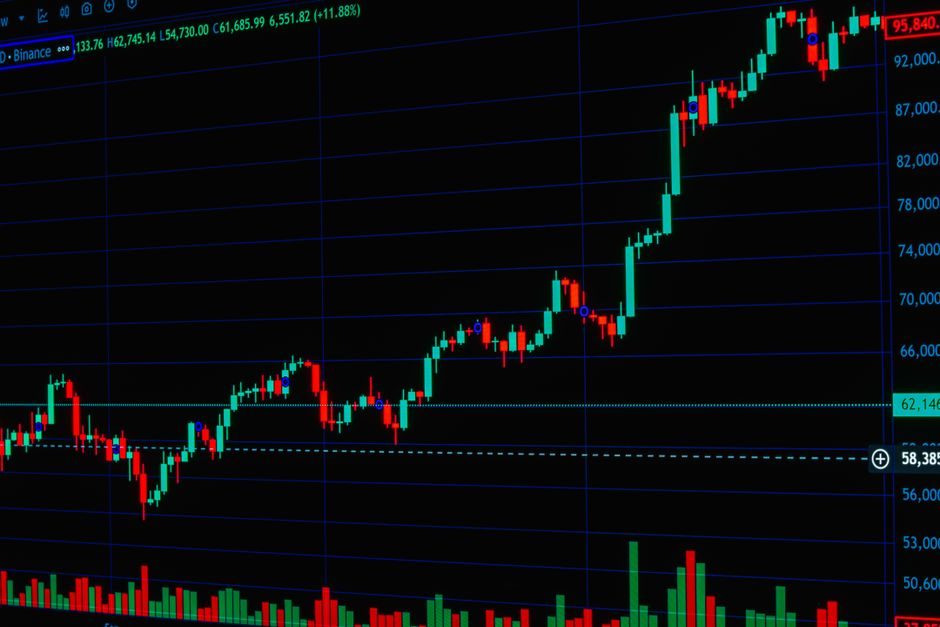
Crypto prices can react to project announcements, regulatory developments, exchange disruptions and wider financial-market moves. A headline may prompt a rapid response, but its first market reaction does not establish whether the news will have a lasting effect. Check the source, the details and whether the information is confirmed before acting.
Sentiment can amplify price moves when many traders respond in the same direction, but it is not a dependable signal by itself. Sudden jumps in social-media discussion may reflect speculation rather than new information. Compare the claim with primary project updates or reliable market reporting, and avoid making a rushed trade based on a post alone.
Ask what changed, who is affected and whether the market may already have priced in the news. For example, an announcement about a planned feature is different from evidence that the feature is live and being used. If the facts remain unclear, waiting for confirmation can be a decision in its own right.
Supply, Liquidity and Volatility
A cryptocurrency’s supply rules and the amount available to trade can influence how its price responds to demand. Review the project’s stated supply model and any scheduled changes, while remembering that a limited supply does not guarantee price growth. Market interest, confidence and competing assets also matter.
Liquidity describes how easily an asset can be bought or sold without substantially moving its price. In a thin market, even a modest order may receive a worse execution than expected, particularly during a rapid move. Check trading activity and the spread rather than assuming every listed asset can be traded efficiently.
Volatility is the size and speed of price changes, not a promise of opportunity. A coin that has moved sharply can move sharply again in either direction, and stop orders may execute at a different price in a gap or fast market. Size positions so an adverse move would not force an urgent, damaging decision.
Choose a Trading Time Frame and Approach
Match a Method to Your Routine
Choose a trading time frame you can follow consistently, rather than one that demands more attention than you can give. Short-term trading involves frequent decisions and close monitoring, while longer-term approaches generally involve fewer checks and a wider view of price changes. döviz kuru çevirme hesaplama can help estimate how exchange rates, commissions and spreads affect a trade’s fiat value.
- Choose a time frame that fits your available attention.
- Write down the reason for entering a trade.
- Define what would invalidate the idea and where you plan to exit.
- Review the result against your plan before changing your approach.
Write down your entry reason, the condition that would invalidate it and how you intend to exit before placing a trade. This turns a vague view into a plan you can review later. If you cannot explain the decision in a few clear sentences, pause and gather more information instead of trading from pressure.
Compare approaches by the time, skill and emotional attention they require, not only by their potential returns. A method that suits someone watching markets throughout the day may be impractical for a person with limited screen time. Select a process you can repeat calmly, then use a demo environment if available to learn its mechanics.
| Approach | Typical attention | Main consideration |
|---|---|---|
| Day trading | Frequent monitoring | Fast decisions and execution costs |
| Swing trading | Regular review | Positions can span wider price moves |
| Longer-term holding | Less frequent checking | Exposure to extended market declines |
| Technical analysis | Price and activity review | Patterns do not guarantee outcomes |
Compare Common Approaches
Day trading seeks to open and close positions within a short period, so it requires active monitoring and quick decisions. Swing trading holds positions through wider price moves and still needs a clear exit plan. Longer-term holding involves fewer transactions, but it does not remove exposure to market declines or project-specific risks.
Technical analysis studies price and trading activity to identify possible levels or patterns, while fundamental analysis examines a project’s purpose, development and risks. Neither method guarantees a correct forecast. Some traders combine them, using project research to select assets and charts to plan entries and exits.
Avoid copying a strategy because it sounds simple or appears successful in a single example. Test whether you understand its assumptions, costs and likely losing periods before committing funds. Keep the approach narrow at first: changing methods after every adverse move makes it difficult to tell whether the plan or the execution needs improvement.
Convert a crypto position into the currency you use for expenses before deciding whether its size is comfortable.
Check the Value of Crypto Against Fiat Currencies
Convert Value Before Trading
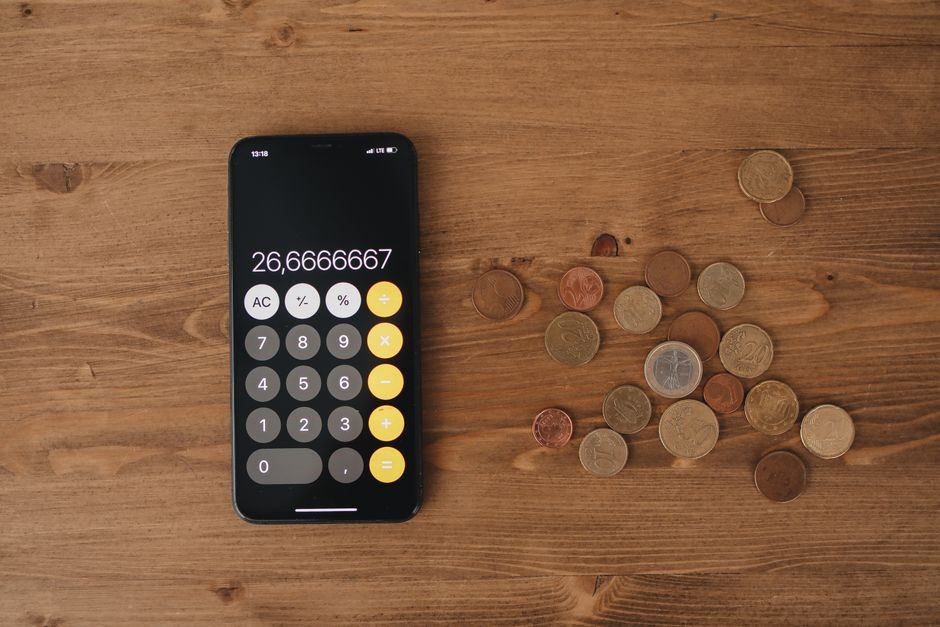
Convert a crypto position into the currency you use for expenses before deciding whether its size is comfortable. The quoted crypto price may be shown in dollars or another currency, while your deposits, withdrawals and everyday budget may be in a different one. Include the exchange rate and trading costs when estimating what you could actually receive.
Check whether the platform’s displayed conversion rate is indicative or the rate used for execution. A quoted conversion can differ from the final amount because of the spread, commission or timing between viewing a price and submitting an order. döviz kuru çevirme hesaplama can help estimate the effect of exchange rates, commissions and spreads on a crypto trade.
Use the same fiat currency consistently when comparing results over time, or you may confuse currency movement with crypto performance. For example, a token’s dollar price can stay steady while its value in another currency changes as that currency moves. Record the conversion basis alongside the trade so later comparisons remain meaningful.
Account for Spreads and Fees
A trade’s effective cost includes more than the visible asset price. The spread is the difference between the available buy and sell quotes, while a commission may be charged separately; both can reduce the amount received when you close a position. Check how the platform presents each cost before comparing venues or trade sizes.
Small, repeated trades can accumulate costs that are easy to overlook when reviewing only headline prices. Compare the expected total cost of entering and exiting a position, including any currency conversion or withdrawal charge that applies. If the cost is unclear, seek the platform’s fee schedule rather than assuming the displayed quote is final.
Recheck the conversion immediately before a trade and after execution, because market rates can change while an order is pending. Record the actual filled amount and the fiat value received, not just the intended order value. This simple habit makes it easier to spot slippage, unexpected charges or differences between estimated and completed transactions.
Set Position Sizes and Risk Limits
Size Trades Before Entry
Decide how much of your account you are prepared to lose before placing a trade, then size the position to fit that limit. A small account does not make a large position safer; it can make a single adverse move harder to absorb. Write down the entry price, exit condition, and maximum loss first.
- Mistake: choosing a position size from excitement; better approach: calculate the potential loss before entry.
- Mistake: moving an exit farther away after a trade turns against you; better approach: follow the limit you set in advance.
- Mistake: treating several correlated coins as separate protection; better approach: assess their combined exposure.
For example, if a trade would breach your personal loss limit when the price falls to your planned exit, reduce the position rather than moving the exit farther away. This keeps your risk decision separate from the excitement of an order filling. When measuring a position in Turkish lira, check bugün dolar kaç TL before reviewing your calculations.
Treat every open trade as part of your total exposure, not as an isolated bet. Several coins can fall together when broad market sentiment turns, so positions that look diversified by ticker may still carry similar risk. Keep enough uncommitted funds to handle ordinary volatility without being forced to sell at an inconvenient moment.
Set Loss Limits in Advance
Set a maximum loss for an individual trade and a separate point at which you will stop trading for the day or review your plan. These limits prevent one impulsive decision from turning into a sequence of larger risks. Choose boundaries that reflect your own finances, not another trader's account size or tolerance.
A stop order can help enforce an exit, but it cannot guarantee the exact price in a fast or thin market. The order may execute at a less favorable level if prices move sharply or available liquidity is limited. Understand how your platform handles stop orders, and leave room for execution conditions when calculating possible losses.
Review your risk limits after a meaningful change in your finances or trading experience, rather than changing them in response to one losing trade. Record whether you followed the plan and what the market did around your exit. That record can show whether a rule needs adjustment or whether the main problem was inconsistent execution.
Account for Conversion Costs When Calculating Returns

Calculate the Full Round Trip
Calculate a trade's likely return after fees, spread, and any currency conversion, not just the change in the coin's quoted price. Buying and later selling can each carry a cost, while a conversion between fiat currencies may add another difference. A small apparent gain can shrink or disappear once all transaction costs are included.
For instance, imagine a trader buys a coin using Turkish lira, sells it later for dollars, then converts the proceeds back to lira. The final amount depends on the coin's price movement as well as the exchange rates, spreads, and fees at each step. Compare the net result with the original lira amount, not a mid-market quote.
Before entering a trade, check the platform's fee schedule and the displayed buy and sell prices. The gap between those quotes is a cost even if no separate commission appears on the order screen. If you cannot estimate the full round trip with reasonable confidence, treat the expected return as uncertain and avoid sizing up.
Compare Quotes and Timing
Check whether the rate shown is indicative or the rate you can actually trade at. A reference rate helps with comparisons, but an exchange or payment provider may use its own price and add a spread. Confirm the executable quote immediately before acting, especially when the market is moving quickly.
Keep the currency and timestamp consistent when comparing results across platforms. A coin priced in dollars and a balance shown in lira can appear to change because of the exchange rate, even if the coin's dollar price is steady. Record the relevant quotes at entry and exit so you can separate currency effects from crypto performance.
A realistic scenario should include the route your money takes, rather than assuming every conversion happens at a perfect rate. If you need to compare Turkish-lira equivalents, JetDöviz offers dated conversion calculations using indicative rates and shows commission and spread effects. Use such figures as a planning reference, then verify the actual terms available through your trading provider.
Avoid Common Beginner Trading Mistakes
Resist Impulsive Decisions
Do not enter a trade just because a coin has made a sudden move or is dominating online discussion. By the time a dramatic price change reaches your attention, the original catalyst may already be reflected in the market. Pause and identify the reason for the move, the risk to your plan, and the condition that would invalidate your idea.
Avoid trying to recover a loss immediately by increasing position size or taking a trade you would otherwise reject. This response turns a market decision into an emotional one and can compound the original mistake. Step away when you feel rushed, then review your written limits before deciding whether another entry meets your rules.
Treat forecasts and social posts as claims to check, not instructions to follow. Ask what evidence supports the view, what could prove it wrong, and whether the source has a clear interest in the outcome. If you cannot explain the trade in your own words, you may not understand its risks well enough to place it.
Check Liquidity and Platform Risk
Check trading volume and the order book before assuming you can enter or exit at the displayed price. In a thin market, a market order can fill across several prices, making the actual cost higher than expected. Use a limit order when controlling the price matters, while recognizing that it may not fill.
Confirm that you understand the platform's order types, deposit process, and withdrawal rules before committing money. A technical outage or delayed transfer can prevent you from acting when you expect to. Keep records of transactions and account activity, and do not rely on access to one service as your only way to manage funds.
Be cautious with leverage, which magnifies both gains and losses and can trigger liquidation before a longer-term view has time to play out. Beginners can learn market mechanics with unleveraged trades or a practice account first. Never borrow money or use funds needed for regular expenses to cover a speculative position.
Build a Repeatable Trading Routine

Prepare Before Each Trade
Use the same short pre-trade review each time so that a busy market does not decide your process for you. Check the market context, the reason for the trade, your planned entry and exit, and the maximum loss. If one of those points is missing, wait rather than improvising once the position is open.
- ☐ Write down the trade's reason before placing an order.
- ☐ Record the planned entry, exit, and maximum acceptable loss.
- ☐ Check fees, spread, and available liquidity.
- ☐ Review the trade afterward and note whether you followed your plan.
Keep a journal that records the decision as well as the outcome. Note the conditions you saw, the order type, fees, and whether you followed your plan; a profitable trade can still result from poor discipline. Reviewing both wins and losses helps identify repeated behaviors, such as entering late or abandoning an exit rule.
Choose review times that fit your trading approach instead of watching every price tick. A longer-term trader may need fewer checks than someone managing short-term positions, while both should know when they will reassess. Constant monitoring can encourage unnecessary trades, so set alerts for meaningful levels and return to the screen with a clear purpose.
Review Rules, Not Predictions
Judge your routine by whether it produces consistent decisions, not by whether each forecast proves right. Markets are uncertain, and a sound process can still result in a loss on an individual trade. Look for repeated rule breaks and avoid rewriting your approach after every short-term price move.
Set aside time to compare planned outcomes with actual fills and costs. If entries repeatedly slip or fees reduce returns more than expected, adjust the method or choose a more suitable market. Make one change at a time and observe its effect; changing several rules together makes it difficult to learn what helped.
Keep your routine flexible enough to account for major changes in market conditions, but do not confuse flexibility with abandoning safeguards. A sudden volatility increase may justify smaller positions or no trade, while a familiar chart pattern alone is not a reason to ignore your limits. Preserve the records that explain why you made each adjustment.
Frequently asked questions
Should a beginner start with a demo account?A demo account can help you learn how orders, charts, and platform controls work without risking money. It cannot fully reproduce the emotions of a real loss or always reflect live liquidity and execution. Use practice trades to understand the mechanics, then begin with an amount you can afford to lose and keep the same written risk rules.
How do I choose which cryptocurrency to trade?Start by researching how the asset works, where it trades, and whether there is enough liquidity for your intended order size. Read the project's available documentation and look for market risks such as concentrated ownership or limited trading venues. Avoid choosing a coin only because its price is low, it has recently risen, or it is receiving attention online.
What is the difference between a market order and a limit order?A market order prioritizes execution at the best available prices, but the final fill can differ from the quote you saw, particularly in a fast or thin market. A limit order sets the worst price you are willing to accept, but it may remain unfilled. Choose based on whether immediate execution or price control matters more for that trade.
Can crypto prices be traded around the clock?Many crypto markets operate continuously, unlike traditional exchanges with set opening hours, but liquidity and activity can still vary by time and venue. Lower liquidity may widen spreads or make larger orders harder to fill. Continuous trading also does not mean you need to watch constantly; define when you will review positions and how alerts will notify you.
Make Risk Management Your First Trading Skill
A beginner's edge is not the ability to predict every market swing; it is the discipline to know what a trade could cost before entering. Size positions around a tolerable loss, count fees and conversion spreads, and check whether an order can realistically execute. A written routine turns those safeguards into repeatable habits and makes it easier to distinguish a planned decision from an emotional reaction.
For your next step, choose one market and write a simple trade plan before placing any order: explain your reason, entry, exit, and maximum loss. Check the likely costs in the currency you will actually use, then record the result and whether you followed your rules. Start small, review the evidence from your own trades, and change your approach deliberately rather than chasing short-term moves.
Add FXTribune as a preferred source on Google


