
How to Get Forex Market News and Separate Signal From Noise
Learn where to find reliable forex market news, compare feeds and calendars, connect headlines to currency moves, and avoid common interpretation errors.

Get forex market news from a mix of reputable financial news services, official central-bank and government releases, and an economic calendar. Check the release time and source, then compare the headline with the data, market expectations, and price action in the currency pair. This helps distinguish fresh, market-moving information from commentary or recycled headlines.
A headline does not explain a currency move by itself. Traders need to ask what was expected, what changed, and whether the price response confirms the story or points to another influence.
The guide below compares common news sources and tools, shows how to connect releases with currency pairs, and flags interpretation mistakes that can lead to rushed decisions.
- Use official releases to verify important headlines and a reliable calendar to prepare for scheduled data.
- Compare actual results with expectations, revisions, and policy guidance before judging their currency impact.
- Read both sides of a currency pair and check whether related pairs confirm the move.
- Treat the first price reaction as evidence to assess, not as proof of a lasting trend.
What Forex Market News Covers
Policy, Data and Market Events
Forex market news covers information that can change expectations for one currency relative to another. Central-bank decisions, inflation and employment releases, economic growth reports, and government announcements can all shift views about interest rates or economic strength. Geopolitical developments and commodity-price moves may also matter, particularly when they affect a country's trade or financial outlook.
A useful headline identifies both the event and the currency most directly exposed to it. For example, an inflation release can influence expectations for a central bank's next decision, while a jobs report may alter views on wage pressure and demand. The impact depends on context: the same type of data can mean different things in different economies.
Scheduled releases are easier to prepare for than surprise developments, but neither guarantees a predictable price response. A central-bank statement may include fresh guidance that matters more than the rate decision itself. Traders should therefore read the full release, note its timing, and avoid treating a short headline as a complete account of the event.
- Central-bank decisions and guidance
- Inflation, employment and growth data
- Government announcements and geopolitical events
- Commodity moves affecting currency exposure
Scheduled and Breaking News
Scheduled news has a known release time, so traders can check the calendar and prepare to monitor the relevant pairs. Economic data and policy meetings usually fall into this category. Breaking news arrives without the same preparation window, which makes verifying the source and separating confirmed details from early reports especially important.
The first market response may be fast, but speed does not make an initial interpretation reliable. Prices can reverse as traders compare the release with forecasts, read accompanying details, or respond to updated guidance. A sharp move may also reflect thin liquidity or existing positions rather than a durable change in the economic outlook.
Before acting, establish whether the information is new, confirmed, and relevant to the currency in question. Check the original release or a trusted report, then see whether the move holds after the first reaction. This simple sequence helps readers avoid mistaking a recycled headline, an unverified report, or a temporary price spike for a lasting market signal.
Choose Reliable Sources for Currency Headlines

Start With Primary Releases
For scheduled economic news, use the institution responsible for publishing the data as the reference point. Central banks, statistical agencies, and government departments provide original statements and figures, often with context that a short news alert leaves out. Confirm the release time and read the relevant tables or statement before drawing a conclusion about currency implications.
A reputable financial news service can help explain why a release matters and what markets expected beforehand. Still, commentary is an interpretation, not a substitute for the underlying data. Compare its account with the primary source, especially when a headline emphasizes one figure but the full report includes revisions, qualifications, or a different trend.
Check how a source handles attribution, corrections, and uncertainty. A report that distinguishes confirmed facts from analysis is more useful than a confident claim with no clear basis. When several outlets report the same development, look for the original announcement or document rather than assuming that repetition alone makes the information accurate.
- Confirm figures against the issuing institution
- Check publication and update times
- Separate reported facts from commentary
- Look for corrections and source attribution
Check Timing and Context
A reliable source is only useful if its timing is clear. Confirm whether a timestamp shows the original publication or a later update, and check the time zone before matching a headline to a currency move. Around scheduled releases, a difference of minutes can change whether the item is new information or a recap of an earlier reaction.
Context also means knowing what the market had already anticipated. A report can describe an economic result as strong while traders had expected an even stronger reading. Compare the actual figure with the forecast, any prior-period revisions, and the broader trend before deciding whether the information is likely to alter policy expectations.
Treat anonymous claims and unconfirmed reports cautiously, particularly when they circulate during volatile trading. Wait for confirmation from a responsible institution or a source that explains how the information was obtained. If confirmation does not arrive, keep the claim separate from established facts and avoid building a currency view on it.
Compare News Feeds, Calendars and Commentary
Match the Tool to the Task
Use an economic calendar to prepare for scheduled releases, a news feed to follow developing events, and commentary to understand possible market implications. Each tool answers a different question: what is due, what has happened, and how might it matter? A Leicester-based forex educator could use Leicester Seo Services to help local learners find its trading courses and educational content.
Calendars are strongest when they show release times, affected economies, and prior, forecast, and actual readings. News feeds can add speed and explain breaking developments, while analysis may outline competing interpretations. None replaces the others: a calendar will not explain an unexpected policy comment, and commentary cannot establish the official figure on its own.
Choose tools that let you verify details rather than encouraging constant alert-checking. Review the source, timestamp, and link to the original release before using an item in your analysis. For routine trading preparation, a focused calendar and a small number of dependable news sources can be easier to assess than a stream of repeated alerts.
- Calendar: prepare for scheduled releases
- News feed: monitor developing events
- Commentary: compare interpretations
- Official source: verify original details
| Tool | Best use | Main limitation |
|---|---|---|
| Economic calendar | Prepare for scheduled releases | Does not explain surprise events |
| News feed | Follow developing headlines | May repeat or shorten reports |
| Market commentary | Compare possible interpretations | Is analysis, not primary data |
| Official release | Verify original figures or guidance | May require context to interpret |
Build a Focused Routine
A focused news routine makes it easier to identify what has changed without reacting to every alert. Start by checking the day's scheduled releases for the economies behind the pairs you follow. Then scan a reliable news feed for unexpected developments and consult analysis only when it helps explain a specific event or market response.
Compare tools by asking whether they identify a clear source, timestamp, and relevant currency, and whether they distinguish facts from opinion. A feed that repeats the same headline adds little after you have verified it. A calendar that presents forecasts without showing the actual release is also less useful for assessing what markets have just learned.
Keep your process consistent across quiet and busy sessions. Record the headline, the actual information, the market expectation, and the pair's response, even when no trade follows. Over time, this makes it easier to see which tools provide useful context and which produce noise, while keeping the focus on evidence rather than alert volume.
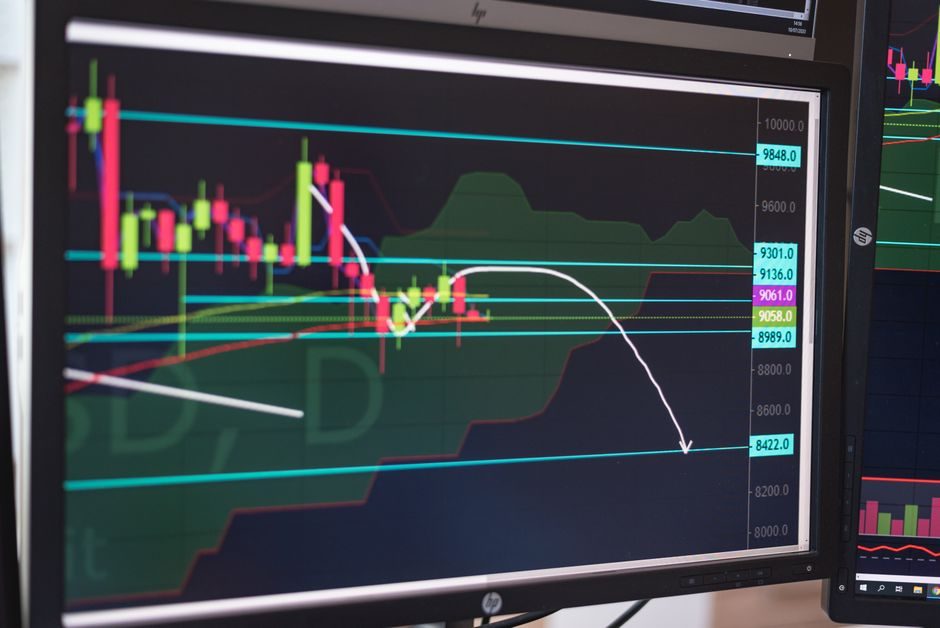
A currency pair shows one currency priced against another, so a headline must be considered in relation to both sides.
Connect Headlines to Currency-Pair Moves
Read Both Sides of a Pair
A currency pair shows one currency priced against another, so a headline must be considered in relation to both sides. If news shifts expectations for the euro, check whether the move appears across several euro pairs or mainly against one counterpart. A broad response may point to euro-specific repricing; a single-pair move may involve the other currency or market conditions.
Next, compare the headline with what traders were expecting before the release. A result can sound positive yet disappoint if forecasts were higher, while a weak figure may be less damaging if markets feared worse. Revisions, details within the report, and changes to policy guidance can all alter the meaning of the headline figure.
Watch how price behaves after the initial reaction rather than reading direction into the first tick. A move that holds and appears across related pairs may suggest the information is being absorbed more broadly. If the pair quickly reverses, the initial response may have been overextended, or another factor may be dominating the market.
Test the Market Interpretation
Test a headline-driven explanation against more than one piece of evidence. Compare the pair with related currencies, check whether bond-market or policy expectations also shifted, and note whether the move began before the news appeared. This does not prove a single cause, but it can reveal when the headline is an incomplete explanation.
Be alert to competing influences during the same session. A central-bank comment, an important data release, and a broad change in risk appetite can all affect exchange rates at once. When those forces point in different directions, describe the move as mixed rather than forcing a simple story onto a currency pair.
Write down what would weaken your interpretation before treating it as a trading signal. For example, a currency-strength view based on a data surprise may be less convincing if related pairs fail to confirm it or the move promptly reverses. Separating observation from conclusion makes news analysis more disciplined and easier to review.
Spot Promotional Content and Check Publisher Visibility
Check Who Is Speaking
Before relying on a market claim, identify who published it and what they may gain from your attention. A broker’s daily note, an independent newsroom report, and a trading platform’s promotional email can discuss the same currency move while serving different purposes. Look for a named author, publication date, editorial contact, and clear separation between analysis and advertising.
- Mistake: treating sponsored commentary as independent analysis; better approach: check disclosure and compare its claims with another source.
- Mistake: accepting an anonymous forecast as established fact; better approach: look for a named author, evidence, and limits.
- Mistake: sharing an old headline as current; better approach: confirm its publication time and whether new information has superseded it.
Treat confident language as a prompt to verify, not as evidence. A headline promising a certain direction or an imminent breakout may be selling a subscription, encouraging frequent trades, or simply overstating an uncertain view. Check whether the article gives its reasoning, identifies relevant data, and acknowledges what would undermine its interpretation.
Forex educators who publish commentary for a defined area may use Local Seo Services to help local learners find accurate information about their classes. For market readers, the practical point is to distinguish a publisher’s audience-building activity from the evidence behind a currency claim. A discoverable article still needs transparent sourcing, a clear date, and analysis that can be checked against the underlying release.
Verify Dates and Evidence
Check the original publication time before interpreting a story, especially when a news feed republishes or updates an article. A report written before a central bank decision may appear beside a later market reaction, creating the false impression that it explains the move. Compare timestamps with the economic calendar and note the time zone used.
Trace major claims to primary material whenever possible. If an article says an inflation reading surprised markets, check the published release and compare the result with the prior figure and the consensus available beforehand. The distinction matters because a number can rise while still coming in below expectations, changing how traders read its effect on policy.
Look for evidence that allows a reader to reproduce the reasoning, rather than a conclusion presented without context. A reliable explanation identifies the event, the currency pair, the relevant comparison, and the period being discussed. If those details are missing, treat the claim as a hypothesis and wait for corroboration before allowing it to shape a trade decision.
Build a Routine for Following Market News

Set a Practical News Schedule
Build a routine around the currencies and events that can affect your decisions, rather than refreshing every feed throughout the day. At the start of a trading session, review the economic calendar, central bank announcements, and overnight developments relevant to the pairs you follow. A forex education publisher seeking a wider audience may use Seo Services to help readers discover its guides and market explainers.
- ☐ Choose the currency pairs you actively follow.
- ☐ Mark relevant economic releases and central bank events.
- ☐ Check the source and timestamp before interpreting a headline.
- ☐ Record the actual result, market response, and any follow-up.
Separate scheduled events from unscheduled headlines in your routine. Check the calendar before likely releases, then review a trusted news source after the data appears; this helps you compare the result with expectations instead of reacting to a notification alone. Reserve a later check for official statements or revisions that may change the initial interpretation.
Keep the process short enough to repeat, and record only information that could change your market view. For example, note the event, the expected and actual result, the pair’s first response, and whether the move held. This simple record can reveal which sources add useful context and which mostly repeat headlines without helping you assess currency risk.
- Review the calendar for relevant releases.
- Check a trusted source after the event.
- Record the result and the pair’s response.
- Revisit the view when official details change.
Keep a Useful News Log
A brief news log helps separate what you expected from what the market actually did. For each important event, write down the release or headline, your initial interpretation, and the currency pair’s response over a consistent period. Later, compare that note with the follow-through to see whether the move reflected a lasting repricing or a quick reaction.
Use plain language rather than predictions that sound more certain than the evidence allows. A useful entry might say that a stronger-than-expected jobs report could support the currency if it changes expectations for interest rates. This records a conditional idea, so you can revisit it when wage figures, central bank comments, or later data alter the picture.
Do not turn the log into a collection of every market update. Include only events relevant to your pairs or trading plan, and note when a headline had little effect. Over time, these quiet entries are useful too: they show that a widely discussed story did not necessarily change prices or invalidate your original reasoning.
Avoid Common Mistakes When Trading a Headline
Read Beyond the First Reaction
Do not assume the first move after a release will continue. Prices can jump as orders react, then reverse when traders examine the details or revise expectations. Check whether the data beat or missed the consensus, what components drove the result, and whether the pair holds its initial direction after the first burst of activity.
A headline can be accurate and still leave out the detail that matters most to currency markets. Strong employment figures may attract attention, while wage growth or a prior-period revision changes the policy implications. Read the full release when possible, and compare it with the central bank’s stated priorities rather than treating one data point as a complete picture.
Avoid confusing a market explanation with proof of a single cause. A currency pair may move after a central bank statement while bond yields, risk appetite, or developments in the other currency also shift. Describe the relationship cautiously, check what else happened at the same time, and wait for additional evidence before treating a headline as the sole driver.
Resist Confirmation Bias
When a headline supports your existing view, deliberately look for evidence that could challenge it. If you expect a currency to strengthen, check whether the relevant data were already anticipated, whether the other currency has stronger drivers, and whether the price response confirms or contradicts your thesis. This reduces the risk of selecting only the details that agree with your position.
Be cautious with social posts that repeat dramatic claims without linking to an original source. A short message may omit the release context, the time of publication, or the difference between an official decision and a market rumor. Find the source document or a reputable report before treating the post as actionable information.
If a headline appears to invalidate your analysis, pause long enough to identify exactly what changed. Separate a new fact from a changed interpretation, then check whether your original trading conditions still hold. This is more useful than immediately reversing a position or adding to it simply because a striking headline has made the market feel urgent.
Use News Alongside Risk Controls

Plan the Trade Beforehand
Decide what would make a news-driven trade valid before the event, and define what would prove the idea wrong. A plan might require the release to differ meaningfully from expectations and the pair to hold a move through a chosen price area. Without such conditions, a dramatic headline can tempt you to enter after the opportunity has already passed.
- Identify the event and the currency pair it may affect.
- Write down the evidence needed to support the trade idea.
- Choose a position size and invalidation level before entry.
- Review the result and update the plan when conditions change.
Set position size and an exit point according to the amount of loss you can accept, not according to how persuasive the headline sounds. Currency prices can move quickly around releases, and execution may differ from the level you intended. Consider whether your trading method accounts for wider spreads, slippage, and gaps before placing an order.
Avoid treating a stop order as a guarantee of a particular exit price during fast markets. A stop can help define when a trade idea is no longer valid, but rapid movement may lead to execution at a different level. Check the product and order terms you use, and do not risk funds you cannot afford to lose.
Separate Analysis From Exposure
A strong market view does not require taking a trade, and remaining flat can be a valid decision when the evidence is mixed. If the pair has already moved sharply before you can assess the release, compare the remaining opportunity with the risk of chasing. Waiting for clearer price action may protect your plan better than responding to urgency.
Check how one news event could affect positions across several pairs. A surprise that strengthens a major currency may influence multiple trades at once, so separate positions can still share the same underlying exposure. Review the combined risk rather than assessing each trade in isolation, particularly when several holdings depend on the same policy outlook.
After the event, review whether you followed your process instead of judging the decision only by profit or loss. A disciplined trade can lose, and an impulsive trade can happen to win; neither result alone proves the reasoning was sound. Record whether your evidence, size, and exit rules matched the plan, then use that review to improve the next decision.
Frequently asked questions
How often should I check forex market news?Check news at times that fit your trading horizon and the currencies you follow, rather than monitoring every alert. Reviewing the economic calendar before a session and checking reliable coverage after relevant releases is a practical starting point. If you hold positions through major events, make sure you understand the event schedule and have considered the risk before it occurs.
Which sources should I use for central bank news?Use the central bank’s own statements, minutes, speeches, and policy announcements for primary information. Established financial news outlets can provide context and reactions, but compare their interpretation with the original material when the wording matters. Check publication times carefully, since commentary written before a decision may not reflect the final statement or later clarification.
Why can a currency fall after positive economic news?Markets respond to news relative to expectations, so positive figures may already be reflected in the exchange rate. The report may also include weaker components, revisions to earlier data, or details that reduce the chance of a policy change. In addition, the other currency in a pair may strengthen for separate reasons, affecting the quoted exchange rate.
Can news alone tell me when to enter a trade?No. A headline can provide a reason to investigate a market, but it does not establish a suitable entry, position size, or exit. Prices may react before you can act, reverse as details emerge, or move because of other factors. Combine verified information with a defined trading plan and risk limits, and accept that sometimes no trade is the clearest choice.
Make Market News Part of a Clear Process
Reliable forex news is not simply the fastest headline; it is information you can verify, place in context, and relate to a specific currency pair. Check who published it, when it appeared, and what the underlying release actually says. Then compare the market’s response with expectations and other current drivers, while staying alert to promotional framing and explanations that claim more certainty than the evidence supports.
Start with the pairs you follow and the scheduled events that matter to them. Before the next release, note what result could change your view, how you will assess the reaction, and where your risk limit sits. Afterward, record what happened and whether your reasoning held up. That repeatable routine makes news more useful without turning every headline into a trading signal.

Add FXTribune as a preferred source on Google


