





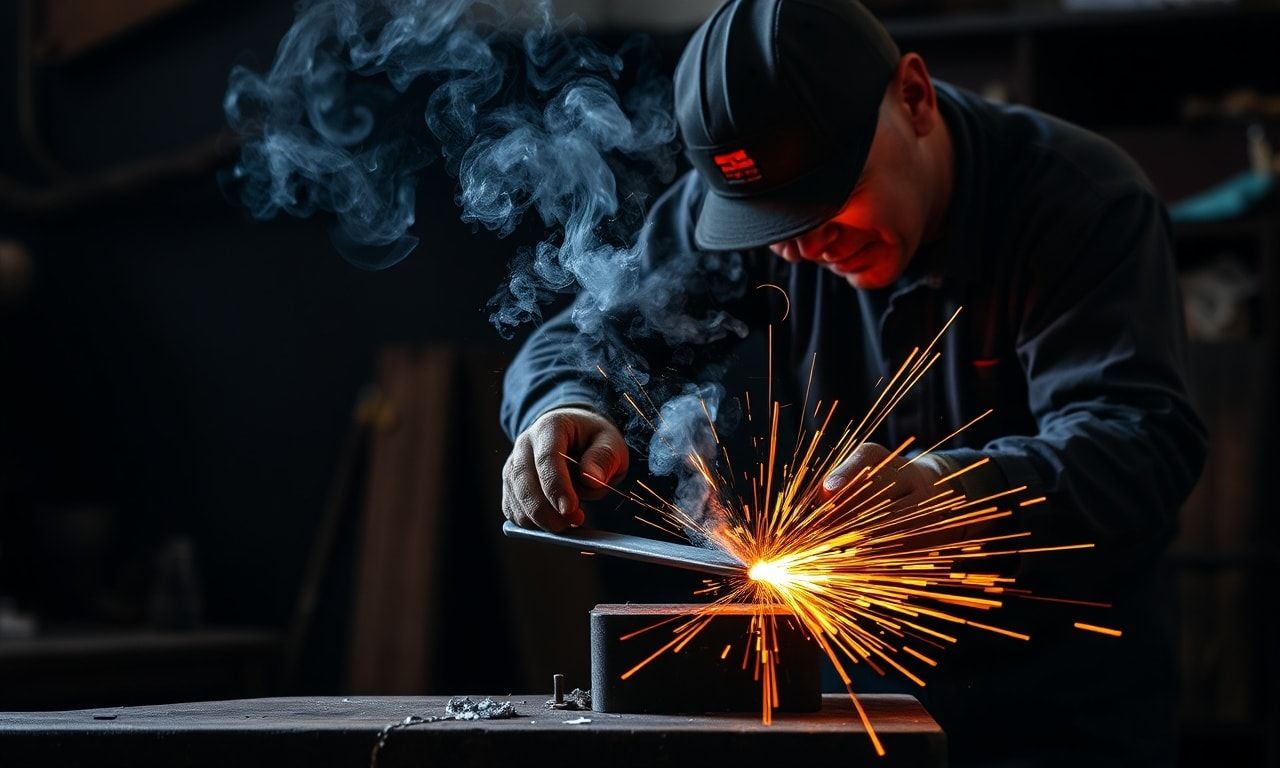
The Enduring Legacy of Blacksmithing
Blacksmithing, an ancient craft that dates back thousands of years, remains a vital and respected trade in the modern world. The art of forging metal has evolved significantly over time, but its core principles and techniques have endured. Today, blacksmiths continue to create everything from functional tools to intricate works of art, blending tradition with innovation. The craft’s enduring legacy is a testament to its adaptability and the skill of its practitioners.
The Process of Blacksmithing
The process of blacksmithing involves heating metal, typically iron or steel, until it becomes malleable, and then shaping it using various tools and techniques. This process requires a deep understanding of metallurgy, as well as a keen eye for detail and a steady hand. Blacksmiths use a variety of tools, including hammers, anvils, tongs, and chisels, to shape the metal into the desired form. The heat of the forge is carefully controlled to ensure the metal is at the right temperature for shaping.
Heating the Metal
The first step in the blacksmithing process is heating the metal in a forge. The forge is a specialized hearth designed to reach high temperatures, typically between 1,500 and 2,000 degrees Fahrenheit. The metal is heated until it reaches a bright orange or yellow color, indicating it is ready for shaping. The blacksmith must carefully monitor the temperature to ensure the metal does not become too hot and burn, which can weaken the metal and make it more difficult to work with.
Shaping the Metal
Once the metal is heated, the blacksmith uses various tools to shape it. Hammers are used to strike the metal and shape it, while anvils provide a solid surface for the hammer to strike against. Tongs are used to hold and manipulate the metal, and chisels are used to cut and shape it. The blacksmith must have a keen eye for detail and a steady hand to ensure the metal is shaped correctly and evenly.
The Role of Blacksmithing in Modern Industry
While blacksmithing is often associated with historical and artistic endeavors, it also plays a crucial role in modern industry. Many industries rely on the expertise of blacksmiths to create specialized tools and components. For example, the automotive industry requires precision tools and parts that can withstand high temperatures and pressures. Blacksmiths are also involved in the creation of architectural elements, such as wrought iron gates and railings, which require a high level of skill and craftsmanship.
In addition to its industrial applications, blacksmithing continues to be a popular hobby and art form. Many people enjoy the challenge and satisfaction of creating something with their own hands. Blacksmithing clubs and workshops offer opportunities for beginners to learn the basics of the craft and for experienced blacksmiths to share their knowledge and skills with others. Whether as a profession or a hobby, blacksmithing offers a unique and rewarding experience.
The Importance of Preserving Traditional Techniques
As technology advances, there is a growing concern about the preservation of traditional techniques and crafts. Blacksmithing is one such craft that has been passed down through generations, and it is important to ensure that these techniques are not lost. Many organizations and institutions are dedicated to preserving and promoting traditional blacksmithing techniques. They offer workshops, classes, and apprenticeships to teach the next generation of blacksmiths the skills and knowledge they need to carry on the craft.
One way to support the preservation of traditional blacksmithing techniques is to seek out and patronize businesses that specialize in hand-forged products. For example, if you are looking for high-quality, hand-forged tools or decorative items, you can visit a çeki̇ci̇ hizmetleri̇ sitesi to find a variety of options. By supporting these businesses, you are helping to ensure that the art of blacksmithing continues to thrive and evolve.
The Future of Blacksmithing
The future of blacksmithing looks bright, as there is a growing appreciation for handcrafted and artisanal products. Many people are seeking out unique, high-quality items that are made with care and attention to detail. Blacksmiths are rising to the challenge by creating innovative and beautiful pieces that appeal to a wide range of tastes and preferences.
In addition to its aesthetic appeal, blacksmithing also offers practical benefits. Hand-forged tools and components are often more durable and reliable than mass-produced items. They are made with high-quality materials and crafted with precision and care, ensuring they will last for many years. As more people become aware of the benefits of hand-forged products, the demand for blacksmithing services is likely to continue to grow.
In conclusion, blacksmithing is a timeless craft that continues to play an important role in both industry and art. Its enduring legacy is a testament to the skill and dedication of its practitioners, who have passed down their knowledge and techniques through generations. By supporting and preserving traditional blacksmithing techniques, we can ensure that this craft continues to thrive and evolve in the modern world.
Discover how technology is transforming the high seas with our latest feature, AI’s impact on yachting, and learn about the exciting advancements in maritime navigation.
Curious about how technology is reshaping our daily lives? Discover the transformative power of the digital world in the digital world’s impact.
If you’re planning a trip that involves towing, check out our comprehensive towing tips and essential gear to ensure a smooth and safe journey.