




The Basics of Commodity Investing
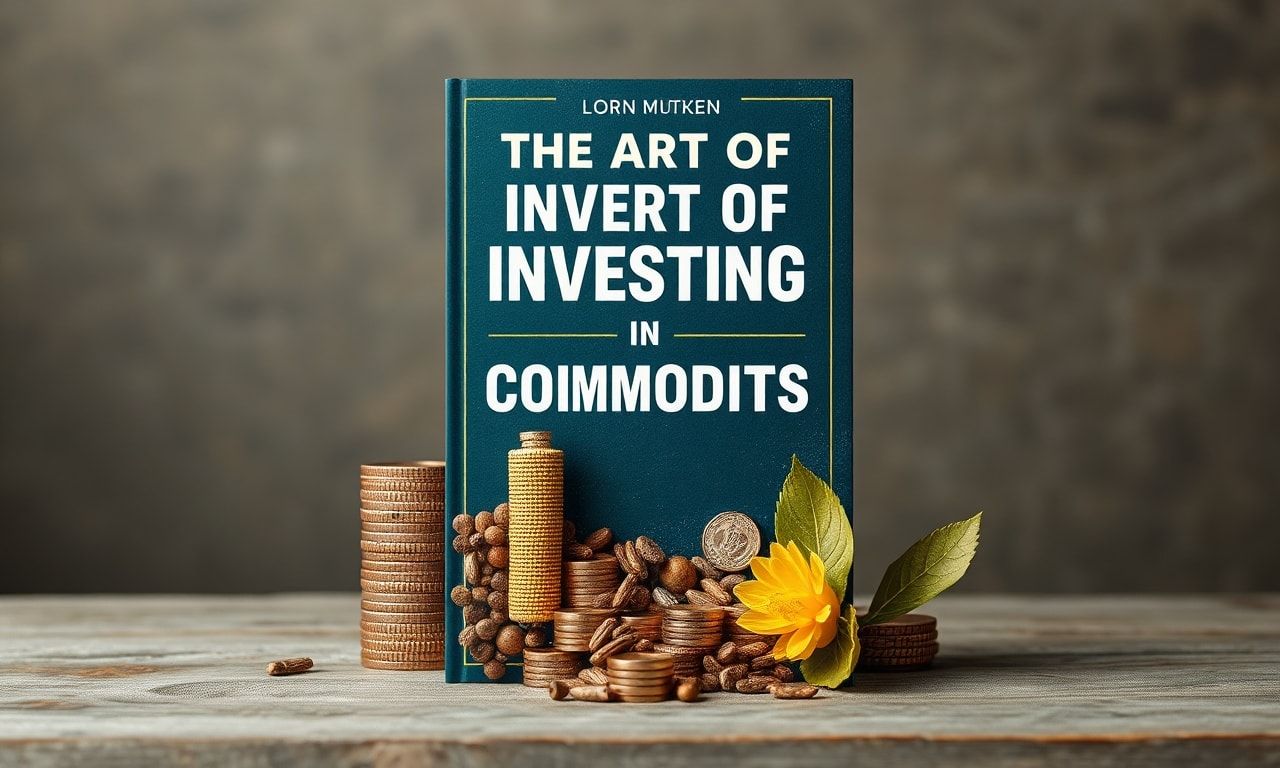
Commodity investing is a time-honored strategy that involves putting money into physical substances like gold, oil, agricultural products, and more. Unlike stocks or bonds, commodities are tangible assets that play a crucial role in the global economy. Investors often turn to commodities as a hedge against inflation and market volatility, making them a valuable addition to a diversified portfolio.
Commodities can be categorized into several groups, including metals (precious and industrial), energy (oil, natural gas), and agricultural products (wheat, corn, coffee). Each category has its unique characteristics and market dynamics, which can influence investment decisions. Understanding these nuances is essential for anyone looking to venture into commodity investing.
Why Invest in Commodities?
There are several compelling reasons to consider investing in commodities. First and foremost, commodities can provide a hedge against inflation. When inflation rates rise, the value of traditional investments like stocks and bonds can erode. Commodities, on the other hand, tend to appreciate in value during inflationary periods, helping to preserve purchasing power.
Additionally, commodities can offer diversification benefits. Since commodity prices are influenced by different factors than stocks and bonds, adding them to a portfolio can reduce overall risk and improve returns. This diversification can be particularly beneficial during economic downturns, as commodities often perform well when other asset classes struggle.
Types of Commodities and Their Market Dynamics
Commodities can be broadly classified into two categories: hard commodities and soft commodities. Hard commodities are natural resources that must be mined or extracted, such as gold, oil, and natural gas. Soft commodities, on the other hand, are agricultural products or livestock, like wheat, corn, and cattle.
Each type of commodity has its unique market dynamics. For example, the price of gold is often influenced by global economic conditions, geopolitical tensions, and central bank policies. Oil prices, meanwhile, are affected by supply and demand factors, as well as geopolitical events in major oil-producing regions. Understanding these dynamics is crucial for making informed investment decisions.
Precious Metals: A Safe Haven Investment
Precious metals like gold, silver, and platinum are often considered safe haven investments. This means they tend to hold their value or even appreciate during times of economic uncertainty. Gold, in particular, has a long history of being a store of value and a hedge against inflation. Investors often turn to gold during periods of market volatility or geopolitical instability.
Silver, while also a precious metal, has industrial applications that can influence its price. Silver is used in various industries, including electronics, solar panels, and jewelry. This dual role as both a precious metal and an industrial commodity can make silver a unique and potentially lucrative investment.
Strategies for Investing in Commodities
There are several ways to invest in commodities, each with its advantages and disadvantages. Direct investment involves purchasing the physical commodity, such as buying gold bars or oil futures. This approach can provide direct exposure to commodity price movements but also comes with storage and logistical challenges.
Another popular method is investing in commodity-related stocks or exchange-traded funds (ETFs). These financial instruments allow investors to gain exposure to commodity prices without the hassle of physical ownership. For those interested in the latest trends and opportunities in commodity investing, exploring resources like en iyi emtia yatırımları 2026 güncel can provide valuable insights and up-to-date information.
Futures and Options: Leveraged Commodity Investing
Futures and options are derivative instruments that allow investors to speculate on the future price movements of commodities. Futures contracts obligate the buyer to purchase, or the seller to sell, a commodity at a predetermined price and date. Options, on the other hand, give the holder the right, but not the obligation, to buy or sell a commodity at a specified price.
These instruments can provide leveraged exposure to commodity prices, meaning investors can control a large position with a relatively small amount of capital. However, they also come with higher risks and complexities, making them more suitable for experienced investors.
Risks and Challenges of Commodity Investing
While commodity investing can offer significant rewards, it also comes with its share of risks and challenges. One of the primary risks is price volatility. Commodity prices can be highly volatile, influenced by factors such as weather conditions, geopolitical events, and economic trends. This volatility can lead to substantial gains but also significant losses.
Another challenge is the lack of income generation. Unlike stocks or bonds, commodities do not generate regular income in the form of dividends or interest payments. This means investors rely solely on price appreciation for returns, which can be unpredictable. Additionally, storage and logistical costs associated with physical commodities can eat into potential profits.
Mitigating Risks in Commodity Investing
To mitigate the risks associated with commodity investing, it’s essential to conduct thorough research and stay informed about market trends. Diversifying investments across different types of commodities can also help spread risk. Investors should consider their risk tolerance and investment goals when deciding on the appropriate allocation to commodities within their portfolio.
Furthermore, using hedging strategies, such as options or futures contracts, can help protect against adverse price movements. Consulting with a financial advisor who specializes in commodity investing can provide valuable guidance and help investors navigate the complexities of the market.
Conclusion
Commodity investing offers a unique opportunity to diversify a portfolio and hedge against inflation and market volatility. By understanding the different types of commodities, their market dynamics, and the various investment strategies available, investors can make informed decisions and potentially achieve significant returns. However, it’s crucial to be aware of the risks and challenges involved and to adopt strategies to mitigate them. With the right approach and a well-informed strategy, commodity investing can be a valuable addition to any investment portfolio.
For a deeper understanding of this topic, Descubriendo la Riqueza Cultural de México offers valuable insights worth exploring.
Readers interested in this subject may also want to explore الترفيه في العصر الرقمي: كيف تغيرت for additional perspectives.