





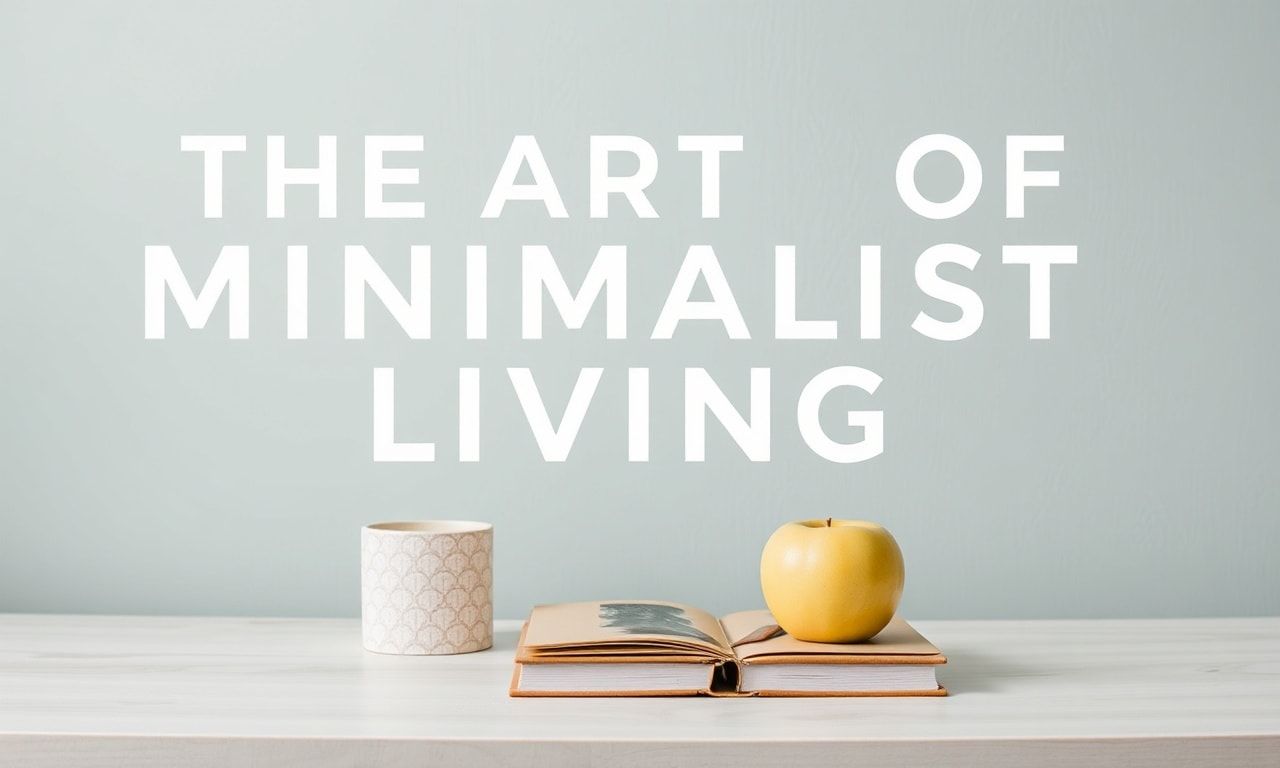
The Essence of Minimalist Living
In a world filled with constant noise and endless distractions, the concept of minimalist living has gained significant traction. At its core, minimalism is not just about owning fewer possessions; it’s a lifestyle choice that focuses on intentional living, where every object, activity, and relationship serves a purpose. By embracing minimalism, individuals can reduce stress, increase productivity, and cultivate a deeper sense of contentment. The journey towards minimalist living begins with a shift in mindset, where less is truly more.
The Benefits of Embracing Minimalism
Adopting a minimalist lifestyle offers a myriad of benefits that can positively impact various aspects of your life. One of the most notable advantages is the reduction of clutter, both physically and mentally. A clutter-free environment promotes a sense of calm and order, allowing you to focus on what truly matters. Additionally, minimalism encourages financial freedom by curbing impulsive spending and promoting mindful consumption. By simplifying your life, you can allocate more time and energy to personal growth and meaningful experiences.
Enhanced Mental Well-being
Minimalist living has been linked to improved mental health. The constant bombardment of information and material possessions can lead to anxiety and stress. By simplifying your surroundings and focusing on essentials, you create a peaceful and serene environment that fosters mental clarity and emotional stability. This, in turn, enhances your overall well-being and quality of life.
Increased Productivity
With fewer distractions and a more organized space, minimalist living can significantly boost your productivity. By eliminating unnecessary tasks and possessions, you can streamline your daily routines and focus on activities that align with your goals and values. This heightened productivity allows you to achieve more in less time, creating a sense of accomplishment and satisfaction.
Practical Steps to Adopt Minimalist Living
Transitioning to a minimalist lifestyle requires a systematic approach and a willingness to let go of unnecessary burdens. Here are some practical steps to help you embark on this journey:
- Declutter Your Space: Start by assessing your living space and identifying items that no longer serve a purpose. Donate, sell, or discard these items to create a more organized and functional environment.
- Simplify Your Schedule: Evaluate your daily routines and eliminate activities that do not add value to your life. Prioritize tasks that align with your goals and values, and delegate or outsource tasks that can be handled by others.
- Mindful Consumption: Before making a purchase, ask yourself if the item is truly necessary and will bring long-term value to your life. Adopt a mindful approach to consumption to avoid accumulating unnecessary possessions.
- Digital Detox: Reduce screen time and limit your exposure to digital distractions. Designate specific times for checking emails and social media, and create tech-free zones in your home to promote a healthier lifestyle.
Personal Development Tips for Minimalist Living
Incorporating personal development tips for minimalist living can further enhance your journey towards a simpler and more fulfilling life. For instance, practicing gratitude can help you appreciate what you have and reduce the desire for material possessions. Additionally, setting clear goals and priorities can guide your decisions and ensure that you focus on what truly matters. Websites like personal development tips for minimalist living offer valuable resources and insights to support your minimalist lifestyle.
Mindfulness and Meditation
Mindfulness and meditation are powerful tools that can help you stay grounded and focused on your minimalist journey. By practicing mindfulness, you become more aware of your thoughts, emotions, and surroundings, allowing you to make conscious choices that align with your values. Meditation, on the other hand, promotes mental clarity and emotional balance, helping you navigate the challenges of minimalist living with ease.
Overcoming Challenges in Minimalist Living
While the benefits of minimalist living are undeniable, the journey is not without its challenges. One common obstacle is the fear of letting go of possessions that hold sentimental value. To overcome this, it’s essential to remember that the memories and emotions associated with these items are not tied to their physical presence. Instead, focus on the experiences and relationships that bring true joy and fulfillment.
Social Pressure and Judgment
Another challenge is the social pressure and judgment that may arise from adopting a minimalist lifestyle. Friends and family members may not understand your choices and may even criticize your decision to live with less. To navigate this, it’s important to communicate your values and intentions clearly and to surround yourself with like-minded individuals who support your journey. Remember that minimalist living is a personal choice, and your happiness and well-being should always come first.
Conclusion
The art of minimalist living offers a pathway to a simpler, more fulfilling life. By embracing minimalism, you can reduce stress, increase productivity, and cultivate a deeper sense of contentment. While the journey may present challenges, the benefits far outweigh the obstacles. By following practical steps and incorporating personal development tips for minimalist living, you can create a life that is truly aligned with your values and aspirations. Embrace the power of less and discover the joy of living with intention.
Discover how sports can shape personal growth in our insightful piece, athletes and self-improvement strategies, exploring the holistic path to success.
Discover how innovation is paving the way for a more sustainable world in technology’s role in sustainability, our latest feature exploring the green revolution.
Discover how entertainment and environmental awareness intersect in our latest feature, green faces of pop culture, a fascinating look at the growing trend of eco-consciousness in media.