





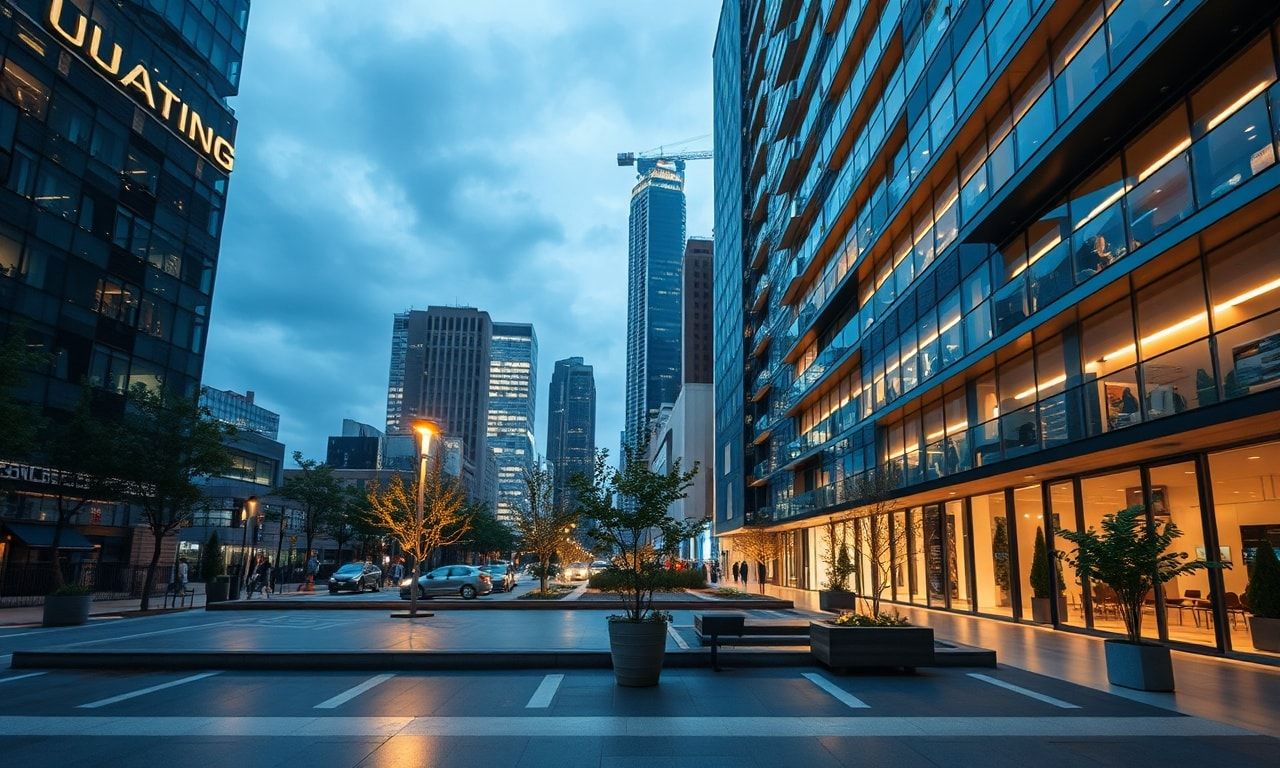
The Evolution of Urban Living
Urban living has undergone significant transformations over the past few decades, driven by technological advancements, economic shifts, and changing social dynamics. As we look towards the future, it is essential to understand these trends to anticipate and adapt to the evolving urban landscape. Cities are becoming smarter, more sustainable, and increasingly interconnected, offering new opportunities and challenges for residents and policymakers alike.
The Impact of Technology on Urban Living
Technology is at the forefront of shaping the future of urban living. The integration of smart technologies in city infrastructure is revolutionizing the way we interact with our surroundings. From smart traffic management systems that reduce congestion to energy-efficient buildings that lower carbon footprints, technology is making cities more livable and sustainable. Additionally, the rise of the Internet of Things (IoT) is enabling seamless connectivity, allowing residents to control various aspects of their living environment through their smartphones.
The Role of Artificial Intelligence
Artificial Intelligence (AI) is playing a pivotal role in enhancing urban living. AI-driven algorithms are being used to optimize public transportation, predict traffic patterns, and manage waste disposal more efficiently. Furthermore, AI is being leveraged in healthcare to provide better medical services and in education to offer personalized learning experiences. As AI continues to evolve, its applications in urban living will only expand, making cities more efficient and responsive to the needs of their residents.
Sustainability and Green Initiatives
Sustainability is a critical aspect of the future of urban living. Cities around the world are implementing green initiatives to reduce their environmental impact and promote sustainable practices. This includes the development of green spaces, the adoption of renewable energy sources, and the implementation of waste reduction programs. By prioritizing sustainability, cities can create healthier living environments and contribute to the global effort to combat climate change.
Urban Farming and Vertical Gardens
Urban farming and vertical gardens are emerging as innovative solutions to address food security and promote sustainability in urban areas. These initiatives not only provide fresh produce to city dwellers but also help reduce the carbon footprint associated with food transportation. By integrating urban farming into city planning, municipalities can create more resilient and self-sufficient communities. Additionally, vertical gardens contribute to the aesthetic appeal of urban spaces, enhancing the overall quality of life for residents.
The Future of Housing
The housing market is undergoing significant changes, with a focus on affordability, sustainability, and flexibility. According to recent woningmarkt nieuws utrecht 2026, there is a growing demand for eco-friendly and energy-efficient homes. Developers are increasingly incorporating green building materials and renewable energy sources into their projects. Furthermore, the concept of modular and adaptable housing is gaining traction, allowing residents to customize their living spaces to meet their evolving needs. These trends are reshaping the housing landscape, making it more inclusive and sustainable.
Affordable Housing Solutions
Affordable housing remains a critical issue in many urban areas. To address this challenge, cities are exploring innovative solutions such as micro-apartments, co-living spaces, and community land trusts. These approaches aim to provide affordable housing options without compromising on quality or sustainability. By prioritizing affordable housing, cities can ensure that all residents have access to safe and comfortable living conditions, fostering social equity and economic stability.
Community Engagement and Social Inclusion
Community engagement and social inclusion are essential components of the future of urban living. Cities are increasingly recognizing the importance of involving residents in the decision-making process to create more inclusive and equitable communities. This includes initiatives such as participatory budgeting, community-driven urban planning, and the establishment of neighborhood councils. By empowering residents to have a voice in shaping their living environment, cities can foster a sense of belonging and promote social cohesion.
The Role of Public Spaces
Public spaces play a crucial role in promoting social interaction and community engagement. Parks, plazas, and community centers serve as gathering places where residents can connect, relax, and participate in various activities. Investing in the development and maintenance of public spaces is essential for creating vibrant and inclusive urban communities. By prioritizing the creation of accessible and welcoming public spaces, cities can enhance the overall quality of life for their residents and foster a sense of community.
Delve into the vibrant heart of Scotland with our exploration of Glasgow’s rich cultural tapestry, where age-old traditions seamlessly intertwine with contemporary innovations.
To stay ahead in the business world, delve into future leadership trends and strategies shaping modern enterprises.
Discover how accessories can elevate your style with our latest feature, fashion meets luxury elegance, exploring the power of statement pieces in your wardrobe.