



Panama in 2025 is a land of contrasts—where the gleaming skyline of Panama City meets the rustic charm of rural Guna Yala, and economic growth from the Panama Canal coexists with the daily realities of rising costs for food, fuel, and education. For many Panamanians, from small business owners in David to teachers in Santiago, financial pressures can feel relentless. That’s where Panama’s robust social assistance programs step in, offering not just relief but real empowerment. Programs like Bono Solidario and Vale Digital are crafted to help families navigate life’s challenges, providing cash transfers, digital vouchers, and more to ease the burden of essentials. This guide dives deep into how these initiatives work, who can access them, and practical ways to make them part of your financial toolkit. With clear, actionable steps, you’ll be ready to tap into these resources with confidence, turning support into opportunities for stability and growth.
The backbone of Panama’s social safety net is its focus on accessibility and adaptability. Whether you’re a single parent juggling rent in Colón or a retiree managing healthcare costs in Chiriquí, these programs are designed to meet you where you are. By leveraging digital platforms, the government has slashed bureaucratic hurdles, letting you apply for aid or check your status from a smartphone or community Wi-Fi hub. In a year where Panama’s GDP is projected to grow by 3.1%, but inflation lingers at 2.4%, these aids act as a buffer, helping families stretch budgets without sacrificing dreams—whether that’s funding a child’s education or launching a small venture. The goal isn’t just survival; it’s fostering resilience, ensuring every Panamanian can thrive amid economic ebbs and flows.
Keeping up with the latest on these programs is vital, as eligibility rules and benefit amounts can shift with national priorities. For real-time insights, Noticias de Panamá is a goldmine, offering updates on policy changes, application deadlines, and success stories from across the country. For instance, recent coverage highlighted how aid disbursements ramped up in flood-prone areas like Darién during the wet season, helping families rebuild. These updates aren’t just news—they’re your roadmap to timing applications smartly, like submitting before fiscal year rollovers in January to avoid processing delays. Staying informed means staying ahead, turning opportunities into tangible wins for your household.
To contextualize these aids, it’s worth zooming out to Panama’s broader socio-economic landscape. Checking Actualidad en Panamá connects the dots between national events—like new trade deals or tourism surges—and their impact on aid programs. For example, a recent logistics boom in Panama Oeste could unlock job-linked subsidies, boosting your eligibility for certain benefits. This isn’t abstract policy talk; it’s about understanding how a new highway in Veraguas might mean faster aid delivery or how global fuel price hikes could trigger extra voucher credits. By aligning your financial planning with these trends, you position yourself to maximize support, ensuring you’re not just reacting but strategizing for success.
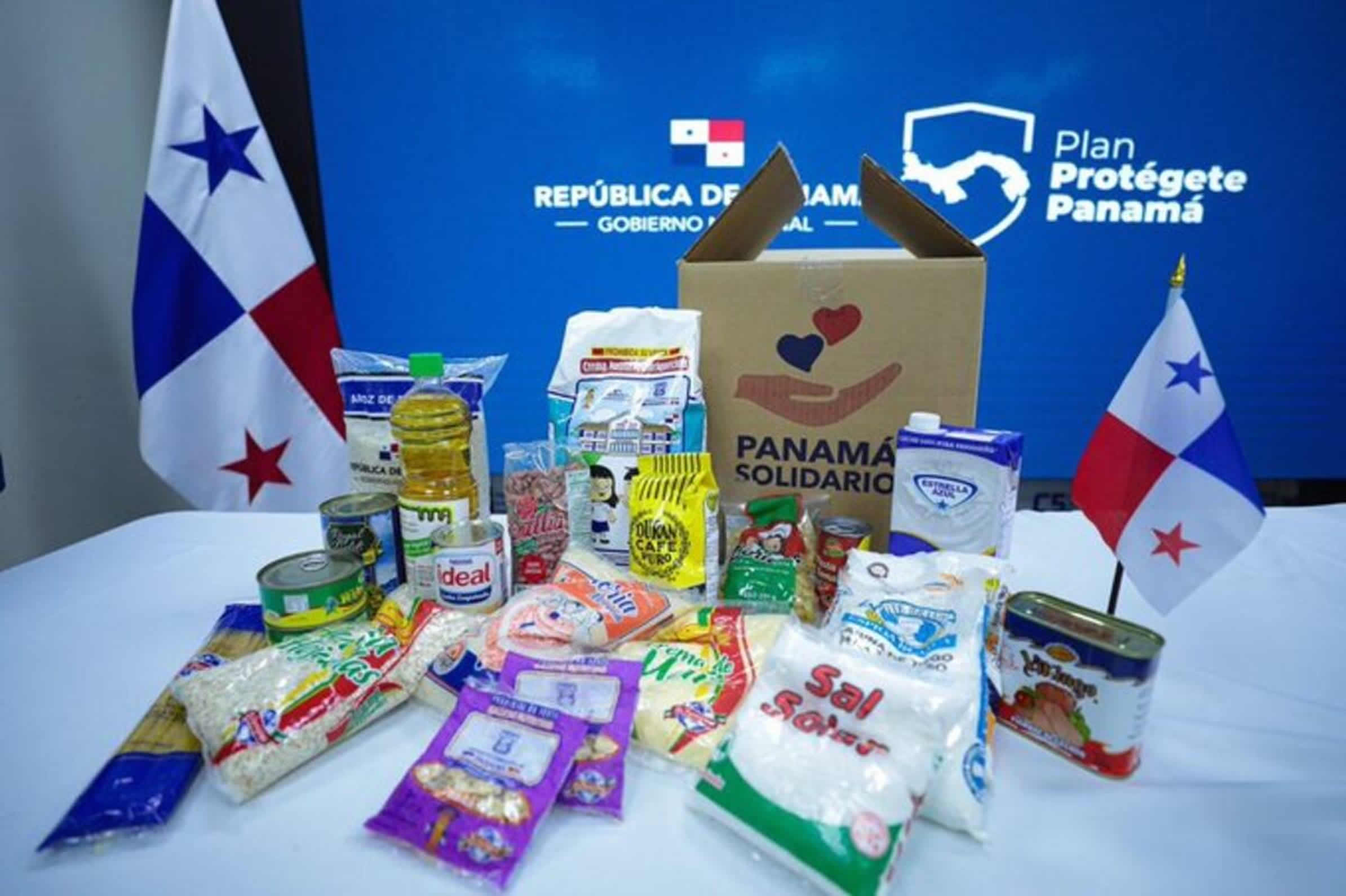
Central to Panama’s aid efforts is the Bono Solidario, a cash transfer program that’s been a lifeline for low-income families since its launch. In 2025, it delivers monthly stipends—think $100-$200 depending on family size—straight to your bank or mobile wallet, covering essentials like groceries or school fees. Picture a mechanic in La Chorrera using their stipend to buy tools, turning a side hustle into a steady income stream. The program’s strength lies in its flexibility: payouts adjust for regional costs, so a family in pricey Panama City gets a slight edge over one in rural Herrera. It’s designed to feel personal, not impersonal, with digital deposits eliminating the need for long office visits.
For those ready to dive in, Bono Solidario Panamá is your go-to resource, packed with eligibility details and application tips. Households earning below roughly $1,250 monthly for a family of four typically qualify, needing only a cédula and proof of residency to apply. The site offers practical advice, like uploading documents via the Mi Familia Viaja app to speed approvals, plus stories of real impact—like a single mom in Bocas del Toro who used her stipend to start a jewelry stall. These insights make the process less daunting, showing how everyday Panamanians turn aid into opportunity, from paying utility bills to funding vocational courses.
Complementing this is the Vale Digital, a digital voucher program that’s revolutionizing access to essentials. These credits, redeemable at partnered stores for food, medicine, or school supplies, are a game-changer for families on tight budgets. In 2025, the program’s expanded to include more rural vendors, ensuring even communities in Ngäbe-Buglé can tap in. Imagine a student in Penonomé using vouchers for a laptop charger or a retiree in Boquete covering prescription costs without stress. The app-based system—linked to platforms like Yappy—makes redemptions intuitive, with credits auto-refreshing monthly for approved users, no paperwork required.
Ready to enroll? The Vale Digital Panamá Solidario guide breaks it down, from signing up on the government portal to troubleshooting app issues. You’ll need a valid ID and address proof, with approvals often cleared in 48 hours. Users praise the flexibility—credits cover everything from diapers to cooking oil, adapting to your household’s needs.