


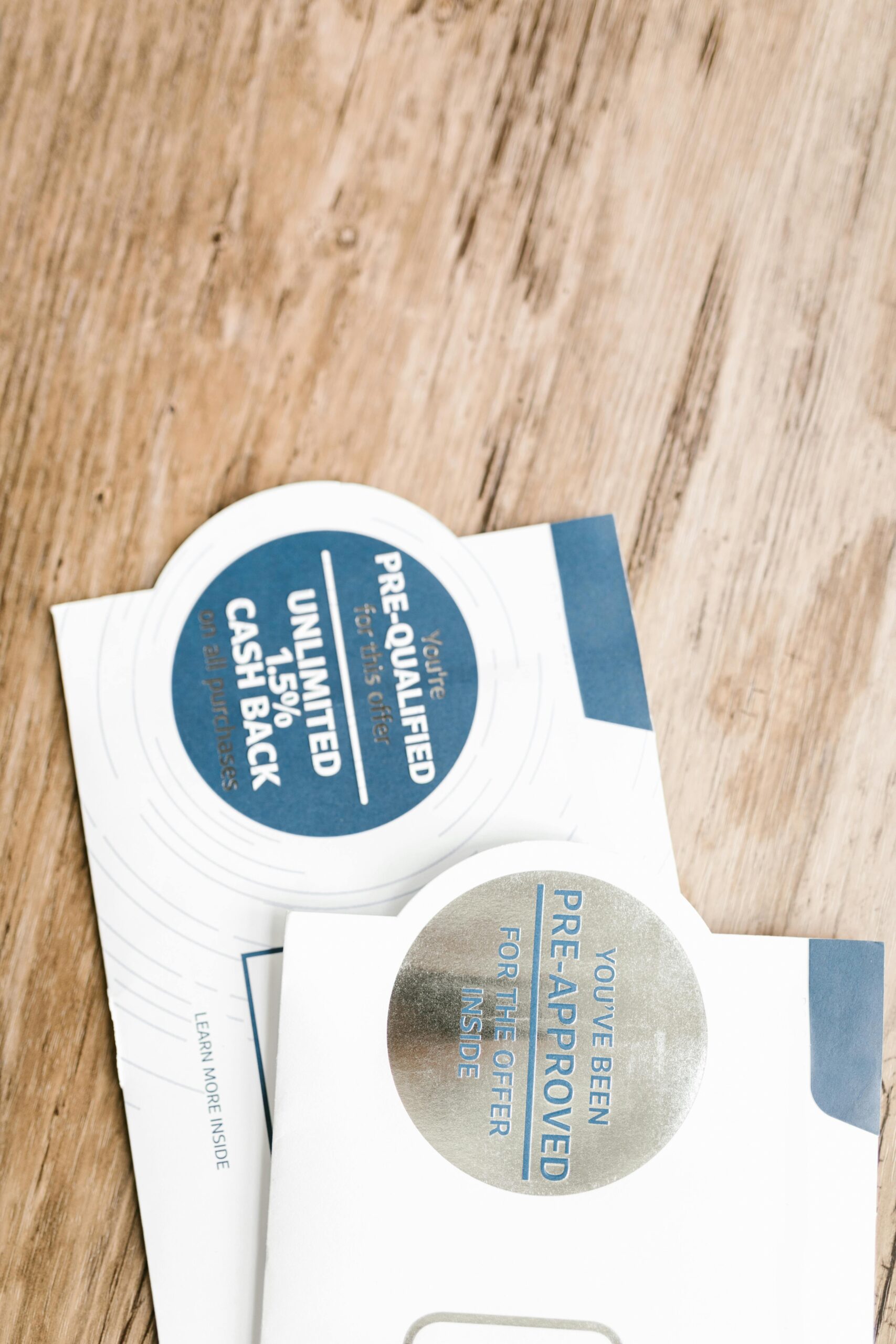
When it comes to bonuses and promotions offered by brokers, many traders find themselves irresistibly drawn to flashy offers promising huge rewards and easy money. But what’s the real story behind these tempting deals? The truth about broker bonuses and promotions revealed might shock you, especially if you’ve ever wondered whether these offers are truly beneficial or just clever marketing tricks. In this article, we dive deep into the hidden realities of broker bonuses, exposing what most brokers don’t want you to know.
You might have seen countless ads boasting about no deposit bonuses, welcome bonuses for new traders, or high-value trading promotions that seem almost too good to be true. So, is it really worth chasing these trading bonuses? Or are you setting yourself up for disappointment? We’ll uncover the dark side of broker promotions, including the fine print, withdrawal restrictions, and other sneaky terms that often catch traders off guard. Don’t be fooled by the shiny allure of free trading credits or cashback offers without understanding what’s really at stake.
Stay tuned as we reveal the ultimate guide to broker bonuses and promotions that will help you make smarter decisions and avoid costly mistakes. Whether you’re a newbie or an experienced trader, knowing the truth about forex and stock trading bonuses can save you time, money, and frustration. Ready to uncover the secrets behind these popular broker incentives? Let’s get started and empower your trading journey with knowledge!
Unveiling the Hidden Conditions Behind Broker Bonuses: What Every Trader Must Know
Unveiling the Hidden Conditions Behind Broker Bonuses: What Every Trader Must Know
When traders start looking for a forex broker, one of the first things that grabs their attention is often the bonuses and promotions offered. These deals seems very attractive on the surface — free cash to trade, deposit matches, or even risk-free trades. But beneath this shiny surface, there are usually hidden conditions that many traders overlook. If you don’t understand these terms, you might end up losing more than you gained from the bonus. So, what’s the truth about bonuses and promotions offered by brokers? Let’s dive deep into what every trader must know.
The History and Popularity of Broker Bonuses
Bonuses have been part of the forex industry for many years now. Brokers use them as marketing tools to attract new clients, or to keep existing traders active. Back in the early 2000s, bonuses were simpler and more straightforward. Over time, regulations tightened in many countries, and brokers had to adapt, adding more complex terms and conditions. But the core idea remains the same — lure traders with extra money or perks.
In New York, where forex trading is popular and competitive, brokers often use bonuses to stand out in the crowded market. But traders need to be cautious because these promotions are not always what they seem.
Common Types of Broker Bonuses and Promotions
Here’s a quick outline of the most common bonuses you will encounter:
- Deposit Bonus: A percentage of your deposit added to your trading account, e.g., 50% or 100% bonus.
- No Deposit Bonus: Free money given without needing to deposit any funds.
- Reload Bonus: Bonuses on subsequent deposits after the initial one.
- Risk-Free Trades: Brokers refund losses on certain trades up to a limit.
- Cashback or Rebates: Returning a portion of the spread or commission back to the trader.
Each of these bonuses has its own set of rules and conditions that can affect how useful they really are.
The Hidden Conditions You Should Be Aware Of
Many traders get excited and jump into trading with bonus money without reading the fine print. But brokers usually attach several restrictions to these bonuses. Here are some of the most common hidden conditions:
Wagering or Turnover Requirements
Traders must trade a certain volume (often very high) before they can withdraw the bonus or profits made from it. For example, a 100% deposit bonus might require you to trade 30 times the bonus amount before withdrawal.Withdrawal Restrictions
Some brokers restrict withdrawals until the bonus conditions are met. This means you can’t just take out the bonus money or profits immediately.Limited Validity Periods
Bonuses might expire after a certain amount of time, forcing traders to meet requirements quickly or lose the bonus.Restricted Instruments
Sometimes bonuses can only be used on specific currency pairs or instruments, limiting trading strategies.Maximum Bonus Caps
Brokers often set a maximum amount for bonuses, so even if you deposit a large sum, your bonus won’t increase beyond a limit.
Comparing Broker Bonuses: What to Look For
Here’s a simple comparison table to help traders evaluate bonuses better:
| Bonus Type | Typical Conditions | Pros | Cons |
|---|---|---|---|
| Deposit Bonus | High turnover requirements | Increases trading capital | Difficult to withdraw bonus/profits |
| No Deposit Bonus | Usually small amounts, strict limits | No risk to own money | Limited withdrawal options |
| Reload Bonus | Applies only on additional deposits | Encourages ongoing trading | Can promote overtrading |
| Risk-Free Trades | Maximum refund limits | Reduces risk | May require deposit first |
| Cashback | Based on volume or commission | Earn while trading | Bonuses not instant, depends on volume |
Real Examples from Brokers in New York
- Broker A offered a 50% deposit bonus but requires a minimum trading volume of 50 lots before any withdrawal is allowed. Many traders found this too demanding and ended up losing money trying to meet the requirement.
- Broker B provided a no deposit bonus of $30, but the profits from this bonus could only be withdrawn after trading 100 standard lots, which is nearly impossible for retail traders.
- Broker C had a risk-free trade promotion where losses up to $100 were refunded, but only if traders deposited at least $500 and met other trading conditions within 30 days.
Practical Tips for Traders Considering Broker Bonuses
If you still want to take advantage of broker bonuses, here are some tips:
- Always read the full terms and conditions before accepting any bonus.
- Calculate if the trading volume requirements are realistic based on your trading style.
- Avoid chasing bonuses that encourage overtrading or taking excessive risks.
Top 7 Truths About Broker Promotions That Could Impact Your Trading Profits
Top 7 Truths About Broker Promotions That Could Impact Your Trading Profits
When it comes to forex trading, many traders get attracted by broker promotions and bonuses. These offers seem like a great way to boost your trading capital or gain extra perks. But what many traders don’t realize is that these promotions come with strings attached, and sometimes, they could even hurt your profits rather than help. The truth about bonuses and promotions offered by brokers is often hidden behind fine print and complex conditions. If you’re trading in New York or anywhere else, understanding these realities is crucial before jumping on any deal.
1. Broker Bonuses Are Not Free Money
One of the most common misconception is that bonuses are free money handed to you. While brokers do offer bonuses like deposit matches or no-deposit bonuses, these are not simply gifts. Usually, they are tied to strict terms and conditions that limit how you use them. For example, you might get a 50% deposit bonus, but you can’t withdraw it until you trade a certain volume.
- Bonus amount depends on your deposited amount
- Withdrawal restrictions often apply
- Trading volume requirements can be very high
This means you have to trade more than usual to unlock the bonus profit, which increase your risk exposure. So, it is not really free.
2. Promotions Could Encourage Overtrading
Because bonuses often require a high trading volume, traders might feel pressured to open more trades or larger positions than they normally would. This situation can lead to overtrading, which is a common cause of losses among retail traders.
Example: If a broker requires you to trade 50 lots before withdrawing your bonus, you might take unnecessary trades just to meet that condition. This behavior can quickly deplete your account balance instead of increasing it.
3. Not All Promotions Are Available Worldwide
Some bonuses and promotions are limited to specific countries or regions. Brokers operating in New York or the US might have different offers than those targeting Europe or Asia. Regulatory restrictions also come into play.
For instance:
- US brokers often can’t offer deposit bonuses due to strict regulations.
- Offshore brokers might offer bigger bonuses but come with higher risks and less oversight.
Therefore, always check if the promotion is valid for your location before getting excited.
4. Wagering Requirements Can Be Confusing
Many traders overlook the wagering or turnover requirements attached to bonuses. These specify how many times you need to trade the bonus amount before withdrawing profits. The terms can be confusing and vary widely between brokers.
Wagering example:
| Broker Name | Bonus % | Wagering Requirement | Notes |
|---|---|---|---|
| Broker A | 50% | 30x bonus amount | Only forex pairs count |
| Broker B | 100% | 50x combined amount | Includes stocks and commodities |
| Broker C | 25% | 20x bonus amount | Excludes cryptocurrencies |
If you don’t meet these requirements, you risk losing your bonus and any profits made from it.
5. Some Bonuses Have Expiry Dates
Another truth is that many broker promotions come with expiration dates. If you don’t meet the terms within a set time, your bonus could be canceled, and you might lose any associated profits.
This can force traders into hurry trading or risk losing everything gained from the bonus. Always look for the validity period of the promotion before accepting it.
6. Bonuses Can Affect Your Trading Psychology
Getting a bonus might change how you think and trade. It might feel like you’re playing with “house money,” which can lead to careless trading decisions. Conversely, when you don’t understand the bonus terms fully, it can cause stress and confusion, impacting your performance.
Psychological effects include:
- Increased risk-taking behavior
- Confusion over withdrawal rules
- Frustration if terms are too complex
7. Promotions Are Marketing Tools, Not Profit Guarantees
At the end of the day, broker promotions are designed to attract new clients and keep existing ones engaged. They are marketing tools, not guarantees of better profits. Some brokers might even use aggressive marketing tactics around bonuses to lure traders without full disclosure of risks.
Historical context shows that in the early 2000s, many brokers used large bonuses to grow rapidly but later tightened terms or removed bonuses to protect their business. This pattern suggests caution when considering such offers today.
Practical Tips for Trading Bonuses
If you decided to accept a broker promotion, keep these tips in mind:
- Read the full terms and conditions carefully before you accept
- Calculate the trading volume required to unlock the bonus
- Don’t let the bonus change your usual trading strategy
- Avoid brokers with unclear or overly complicated bonus rules
- Use promotions from well-regulated brokers to reduce risks
By understanding these truths about broker promotions, you can make a more informed decision and
Are Broker Bonuses Really Worth It? A Deep Dive into Real Benefits and Risks
Are Broker Bonuses Really Worth It? A Deep Dive into Real Benefits and Risks
In the fast-paced world of forex trading, broker bonuses often appear like attractive gifts that can boost your trading power instantly. But are these bonuses really worth it? Many traders jump at the chance to grab a bonus without fully understanding what it entails, which sometimes lead to confusion, frustration, and even losses. The truth about bonuses and promotions offered by brokers is more complicated than it seems at first glance. This article explore the real benefits and risks attached to these bonuses, helping you to make smarter choices.
What Are Broker Bonuses? A Quick Overview
Broker bonuses are incentives offered by forex brokers to attract new clients or retain existing ones. These bonuses can come in various forms such as:
- Deposit bonuses: Extra funds added to your trading account after you deposit money.
- No-deposit bonuses: Small amounts credited to your account without requiring a deposit.
- Cashback or rebate bonuses: Partial refund of the spread or commission paid.
- Loyalty bonuses: Rewards given to long-term or high-volume traders.
These promotions sound great, right? Who doesn’t want free money to trade with? But the reality is often more complex.
Historical Context: Why Brokers Offer Bonuses
Back in early days of online forex trading, competition among brokers was less fierce, and bonuses were rare. But as the market grew, brokers started to use these promotions as marketing tools to stand out. By the mid-2000s, bonuses became a standard strategy. However, regulators also noticed that some brokers were using bonuses to lure traders into risky or unfair conditions.
Since then, many regulatory bodies have imposed rules on how bonuses should be offered, especially regarding withdrawal restrictions and transparency. For example, the FCA in the UK and ASIC in Australia have strict guidelines about bonus promotions. Yet, in some regions with less strict regulation, bonuses are still widely used and sometimes abused.
Real Benefits of Broker Bonuses
- Increased Trading Capital: The most obvious benefit is that you get more money to trade with, which can increase your potential profits.
- Lower Initial Investment: No-deposit bonuses allow you to start trading without risking your own money.
- Testing Broker Platforms: Bonuses let you explore a broker’s trading platform and services before committing large amounts.
- Encouragement to Trade More: Cashback or loyalty bonuses reward active traders, which can add up over time.
- Psychological Boost: Getting a bonus might improve trader confidence and motivation.
Risks and Hidden Drawbacks You Should Know
Even though bonuses look appealing, there are significant risks and restrictions involved:
- Withdrawal Restrictions: Most bonuses come with strict conditions on withdrawal. Usually, you can only withdraw profits made from the bonus, not the bonus itself, until you meet a high trading volume requirement.
- High Trading Volume Requirements (Turnover): Many brokers require you to trade a multiple of the bonus amount, sometimes over 30x or 50x, before you can withdraw.
- Limited Available Instruments: Some bonuses are only valid for certain currency pairs or trading products.
- Increased Risk Exposure: The pressure to meet volume requirements can push traders into overtrading or making reckless decisions.
- Bonus Cancellation: Brokers reserve the right to cancel bonuses if they suspect abuse or if terms are not met.
- Potential Scams: Unscrupulous brokers use bonuses as bait and make withdrawal impossible.
Comparing Broker Bonuses: What to Watch Out For
Here is a simple table outlining typical bonus types, their benefits, and drawbacks:
| Bonus Type | Benefits | Drawbacks |
|---|---|---|
| Deposit Bonus | Larger capital, boosts trading | High turnover, withdrawal limits |
| No-Deposit Bonus | Risk-free start, test platform | Very small amount, strict terms |
| Cashback Bonus | Earn back trading costs | Limited to active traders, conditions apply |
| Loyalty Bonus | Rewards long-term traders | May require high volume, unclear rules |
Practical Examples: How Bonuses Affect Real Traders
Imagine you deposit $500 at a broker offering a 50% deposit bonus. Your account now has $750. Sounds good, but the broker requires 40x turnover on the bonus amount ($250 x 40 = $10,000 in trades) before you can withdraw any profits. If you don’t meet this, you can’t take out your earnings or bonus. Many traders overlook this and get stuck.
Another example is a no-deposit bonus of $30. You start trading and make $100 profit. However, the broker demands 50x turnover on the bonus plus profit ($130 x 50 = $6,500). This can be unrealistic for casual traders.
Tips for Traders Considering Broker Bonuses
- Always read the fine print carefully, especially about withdrawal conditions.
- Compare multiple brokers’
How to Spot Genuine Broker Promotions vs. Marketing Gimmicks in 2024
In the bustling world of forex trading, promotions and bonuses offered by brokers often dazzles new and experienced traders alike. But how do you know if these offers are genuine opportunities or just marketing gimmicks trying to lure you in? The truth about bonuses and promotions offered by brokers in 2024 is not always straightforward. Many traders falls for flashy promises, only to discover hidden terms that makes the deal far less attractive than it seemed at first glance.
Why Brokers Offer Promotions and Bonuses
Historically, forex brokers have used bonuses and promotions as a way to attract new clients and keep existing ones trading actively. This practice isn’t new; it has been around for decades, evolving along with the trading industry itself. For example, welcome bonuses, deposit matches, and no-deposit bonuses were always popular tactics. But as regulations tightened in many countries, especially in financial hubs like New York, brokers had to adjust their offers to comply with local laws.
Promotions typically serves several purposes:
- Attract new traders to open accounts
- Encourage higher deposit amounts
- Increase trading volume
- Build brand loyalty
But not all bonuses are created equal, and some could be traps rather than advantages.
Common Types of Broker Bonuses in 2024
To spot genuine broker promotions, you first need understand the types of bonuses commonly offered:
- Welcome Bonus: A one-time bonus given when you first open an account. Sometimes it’s a fixed dollar amount, sometimes a percentage of your deposit.
- Deposit Bonus: Brokers matches your deposit by a certain percentage, say 50% or 100%. This can double your trading capital but comes with strings attached.
- No-Deposit Bonus: Traders get a small amount of money to trade without depositing anything. Sounds great but usually very restrictive.
- Cashback or Rebate: You get back a small portion of your trading volume in real money or credits.
- Loyalty Programs: Points or rewards for consistent trading activity over time.
How to Identify Genuine Promotions vs Marketing Tricks
Many brokers advertise bonuses that look too good to be true – and often they are. Here are some practical tips to differentiate real offers from gimmicks:
- Read the Fine Print Thoroughly: Most bonuses comes with conditions like minimum trading volume (often called ‘lot requirements’), withdrawal restrictions, and time limits. For example, a 100% deposit bonus might require you to trade 50 lots before you can withdraw the bonus or any profits made from it.
- Check Broker’s Regulation: Regulated brokers in New York or the US usually have more transparent bonus policies due to strict oversight. Unregulated brokers might hide unfair terms or refuse withdrawal requests.
- Avoid Bonuses that Require Large Deposits: Genuine bonuses are often flexible and accessible. If an offer demands you put in thousands of dollars upfront, it might be a red flag.
- Look for Transparent Communication: A broker that clearly explains the bonus terms and answers your questions openly is likely genuine.
- Beware of Limited-Time Offers That Pressure You: If promotions push you to act immediately or threaten you with missing out, it’s probably a marketing gimmick.
- Compare Multiple Brokers: Don’t just take the first offer you see. Comparing bonuses across brokers helps you see what’s fair and what’s excessive.
Examples of Broker Bonus Terms in 2024
Here is a simple table shows typical bonus offers and what to watch for:
| Bonus Type | Typical Offer | Watch Out For | Realistic Expectation |
|---|---|---|---|
| Welcome Bonus | $50 to $500 on signup | High withdrawal volume requirements | Small bonus with clear withdrawal conditions |
| Deposit Bonus | 50% to 100% match | Must trade 40-100 lots before withdrawal | Bonus is credited but trading volume needed |
| No-Deposit Bonus | $10 to $50 to trade | Limited trading instruments, low withdrawal cap | Good for trial but limited real profit potential |
| Cashback/Rebate | $5-$10 per lot traded | Minimum monthly trading volume | Real cash back on active trading |
| Loyalty Program | Points redeemable for cash | Complex points system, hidden limits | Earn rewards gradually with steady trading |
Historical Context of Forex Bonuses
Back in the early 2000s, forex bonuses were often unrestricted, making them highly attractive. Traders could easily withdraw bonus money after minimal trading. But this led to abuse and heavy losses for brokers. Regulators stepped in, especially in the US, where the Commodity Futures Trading Commission (CFTC) and National Futures Association (NFA) enforced stricter rules on promotions.
By 2024, most reputable brokers follow guidelines limiting bonus offers or banning certain types completely. For example
Insider Secrets: Maximizing Your Earnings with Broker Bonuses Without Falling into Traps
Insider Secrets: Maximizing Your Earnings with Broker Bonuses Without Falling into Traps
When you start your journey into forex trading, one of the most tempting offers you will come across are broker bonuses and promotions. Many traders jump at the chance to get “free money” from brokers, hoping it will boost their earnings without much effort. But, the truth about bonuses and promotions offered by brokers is often more complicated than what it appears. You might think these bonuses are a straight-up advantage, but sometimes, they come with strings attached that can trap you into losing more than you gain. In this article, we will reveal the insider secrets that helps you maximize your earnings with broker bonuses while avoiding the common pitfalls.
What Are Broker Bonuses and Promotions?
Brokers use bonuses and promotions as marketing tools to attract new traders and keep existing clients engaged. These offers vary widely but often include:
- Deposit bonuses (e.g., 50% or 100% match on your deposit)
- No-deposit bonuses (free funds without any deposit)
- Cashback or rebate offers
- Loyalty rewards for frequent traders
- Contest and prize draws
Historically, these promotions were designed to give traders more capital to trade with, but they also served brokers by increasing trading volume, which is profitable for them. However, it’s important to note that not all bonuses are created equal, and understanding the terms is crucial before accepting any offer.
The Real Cost Behind “Free” Money
At first glance, a $500 deposit bonus sound like a great deal, right? But, brokers usually attach strict conditions called “wagering requirements” or “turnover requirements” to these bonuses. These terms require you to trade a certain volume before you can withdraw the bonus or profits made from it. For example, a 30x turnover requirement on a $500 bonus means you must trade $15,000 (30 times $500) before accessing any bonus profit.
Some common traps include:
- High minimum trading volumes: You might have to risk more than you initially planned.
- Limited time frame: Bonuses often expire quickly, forcing rushed trades.
- Restrictions on withdrawal: You can’t withdraw your deposit or profits until the conditions met.
- Forbidden trading strategies: Some brokers prohibit scalping or hedging while using bonuses.
If you don’t fully understand these terms, you could end up losing money trying to meet these conditions or getting stuck with funds you cannot use how you want.
How To Assess If A Broker Bonus Is Worth It
Before jumping to claim any bonus, here are some practical steps to evaluate the offer:
- Read the Fine Print Thoroughly: Don’t just skim the terms. Look for wagering requirements, expiry dates, and any trading restrictions.
- Compare Bonus Offers: Not all bonuses have the same value. Check if the bonus increases your trading capital effectively or just looks attractive.
- Check Broker Reputation: Sometimes bonuses are used by less reputable brokers to lure traders. Research the broker’s history, reviews, and regulation status.
- Calculate Potential Risks: If meeting bonus conditions forces you to overtrade, the risk might outweigh the benefits.
- Look For Transparent Withdrawal Policies: Make sure you can withdraw your earnings without excessive hurdles after fulfilling the bonus requirements.
Practical Examples of Bonus Usage
Let’s say you deposit $1,000 and get a 50% deposit bonus, so your trading account shows $1,500. The broker requires 20x turnover on the bonus amount ($500 x 20 = $10,000). This means you must trade $10,000 worth of currency pairs before withdrawing profits from the bonus.
If your average trade size is $1,000, you need to do at least 10 trades. If you lose some trades, you might need even more trades to reach the required volume, increasing your risk exposure.
On the other hand, if you are an experienced trader with a solid strategy who plans to trade large volumes anyway, this bonus can be a nice boost without changing your normal trading habits.
Broker Bonuses Comparison Table
| Bonus Type | Pros | Cons | Suitable For |
|---|---|---|---|
| Deposit Bonus | Extra capital to trade | High turnover requirements | Traders who trade frequently |
| No-Deposit Bonus | Try broker without risk | Usually small amounts, strict terms | New traders wanting to test |
| Cashback/Rebate | Earn back part of spreads/commissions | Requires high trading volume | High-volume traders |
| Loyalty Rewards | Rewards for consistent trading | Benefits only after long-term use | Long-term traders |
| Contests/Prizes | Chance to win extra money or prizes | Often competitive, no guarantee | Competitive traders |
Beware of Bonuses That Sound Too Good to Be True
In the forex world, if something
Conclusion
In conclusion, while bonuses and promotions offered by brokers can seem enticing at first glance, it is crucial for traders to carefully evaluate the terms and conditions attached to these offers. Many bonuses come with stringent requirements, such as high trading volumes or restricted withdrawal options, which can limit their actual value. Understanding the fine print and assessing whether the promotion aligns with your trading strategy and goals is essential to avoid potential pitfalls. Additionally, relying solely on bonuses rather than focusing on broker reliability, platform quality, and overall trading experience can lead to disappointing outcomes. Ultimately, bonuses should be viewed as supplementary benefits rather than primary reasons to choose a broker. Traders are encouraged to conduct thorough research, prioritize transparency, and make informed decisions that support sustainable trading success. Stay vigilant, read all details carefully, and use bonuses wisely to enhance your trading journey rather than complicate it.